Search This Blog

Showing posts with label art. Show all posts

Friday, March 4, 2022

Paz and Rothko

Octavio Paz

When I was a hormone-raging teenager (yes, that happened to me too), I happened upon a Chinese translation of Octavio Paz's prose poem The Blue Bouquet. Its indelible impression on me never faded. Yet it took me decades to seek it out again, as I recently began to read other poems by Paz. 

Perhaps my excuse is that I have been afraid of poetry all my life. Reading poetry for me is like going to an art museum, especially a modern art museum. I walk by most exhibits and nod with a smile on my face, and promptly forget about them as I turn to the next piece. Only occasionally would a piece strikes me dead on the spot. 

I borrowed a collection of Paz's poems from the library, but it's very slow going. They seem dense to me. In my mind I slowly piece together his words into a series of images, which may or may not produce any meaning. Yet often enough an image punches me in the face. For example, 

I walk without moving forward
We never arrive
Never reach where we are
Not the past
the present is untouchable

                                -- Return

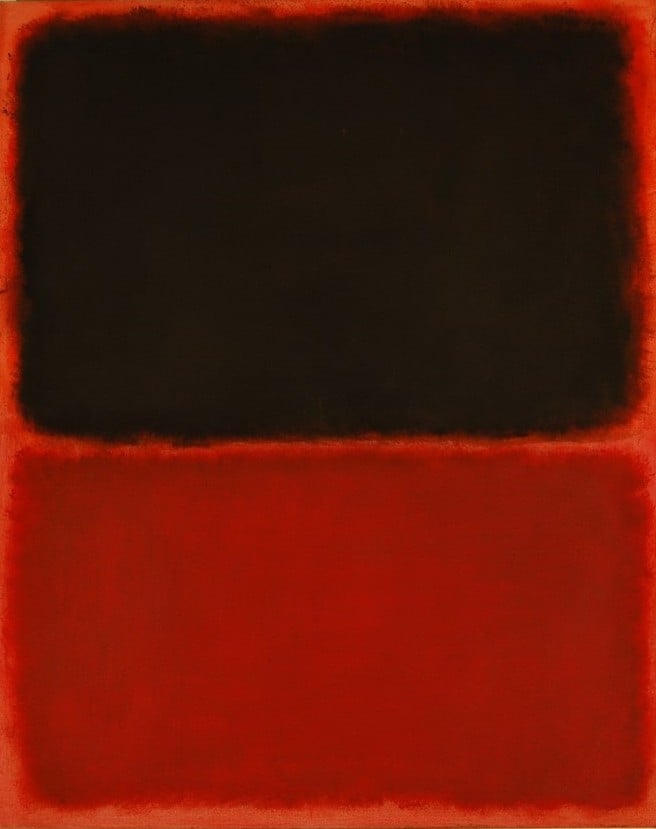
I don't know what it means. I only know how it makes me feel. And how it makes me feel is almost the same as how certain abstract artworks make me feel, primarily Mark Rothko.

It's kind of meaningless to see a Rothko in any medium other than seeing the real thing, because the real impact is in the details. 

Rothko's abstract paintings (not his earlier works) get into a part of my mind that lies underneath language and conscious thoughts, straight into the amygdala, where dark tides of neurotransmitters roil in the electric storms. 

I do believe that people can transmit feelings between them without words when they are in close physical proximity. My Yoga teacher likes to call anything that tingles in the body as "vibrations", so I might as well use the same term. Even though humans do not have telepathy, we catch each other's vibrations when we are in the same room and paying attention. Such transmissions are usually impossible remotely with words but can be done with reduced efficiency with images, which is why moving pictures evoke emotions faster than written words. 

What exactly is remotely transmitted into my head from some of Paz's words and Rothko's images, I don't know, but it's not nothing. 

Sunday, May 3, 2015

The Palace

Last night I dreamed of the palace again. This has become a recurrent dream in recent months. The building is always somewhere nearby, in downtown DC or on the National Mall, behind one of the Smithsonian museums but easily. Or it might be just past Old Town Alexandria, between the red-brick buildings and the river. Or it was a ten-minute walk from home, across a field of waist-high grass and behind willow trees.

On the outside it is not gigantic but exquisitely complex. Topped with a golden dome, the deep blue frames and colored glass form intricate patterns. Whenever I visit it in a dream, it is always with someone --- family, friends, or just Sam, but never alone. It's a hidden gem that I show off to them. We have to first pass through a plain and ordinary building and a courtyard to see the grandeur of this palace.

At the sight of the dome and the glorious walls, a gentle gladness and calm excitement wash over me. We enter the palace and up the spiraling stairs. No royalty live here; it is an art museum, like National Gallery of Art. Let me show you all the good stuff, I say to my companions. It feels like home.

Tuesday, November 11, 2014

Visitors by Godfrey Reggio (with Philip Glass and Jon Kane)


It's kind of funny for me to talk about something like Visitors. Maybe I should draw something and post it as a commentary --- but then I suck at drawing.

I think the intention and effects of Godfrey Reggio's movie Visitors are fairly obvious if one is familiar with modern art. The point is to speak directly to and interact with the audience's emotions.

In one of the DVD featurettes, Reggio said something like, music speaks directly to people's emotions or souls, "It doesn't go through the metaphor." The images in Visitors get close to the same effect, although some shots (I suspect) are not entirely free of metaphors, such as the shots of trash bags tumbling down en masse and the lowland gorilla staring sadly at rows of human audience's heads.

I often think of something Joseph LeDoux wrote: the human brain has not evolved to integrate the conscious thinking top layer and the instinctive feeling lower layer. The point of music, modern art, images, etc., is to get straight to the lower layer without the mediation and interference of the top layer (which is what I am doing --- all words are top-layer abstract stuff).

The movie's title and the bookending shots of the moon's surface suggest a view of perhaps aliens. I imagine aliens would not have very different reactions to the shots of human faces and those of square buildings and windows. But we do. We humans have vastly different reactions to them.

Monday, September 8, 2014

Sunday in the Park With George

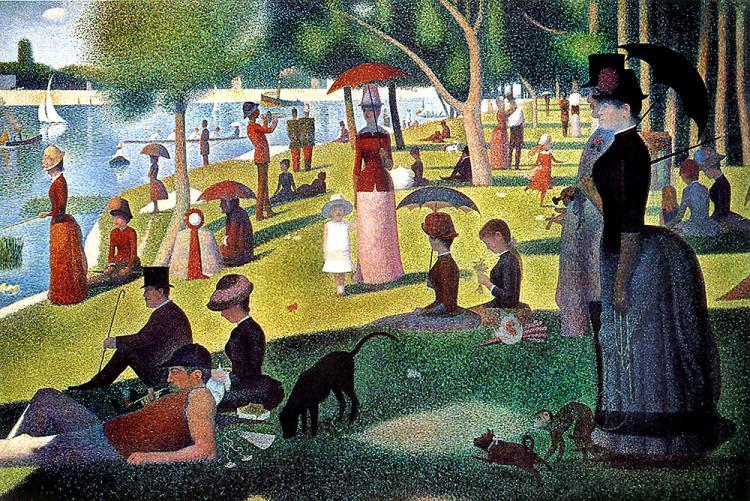
A Sunday Afternoon on the Island of La Grande Jatte by Georges Seurat

I saw the Sondheim revival by Signature Theater yesterday with a friend. We started talking about how some of the music is intended to imitate George Seurat's pointillism, ie, using "dot dot dot" in his paintings. Since we had been discussing choreography in figure skating before the show, my friend and I began to bounce around ideas about how one would do a "dot dot dot" impression on ice with skates. Quick turns on one or both feet, maybe, like Scott Hamilton used to do. I suggested a series of little hops, perhaps on toe picks. Most humans have a bit of synesthesia, which allows us to mix media (visual, auditory, and movement) and use symbols. (BTW, the female lead character's name is Dot, clearly not an accident.)

It is something only Sondheim can pull off --- A musical with almost no story, which is essentially a meditation and dissertation on the creative process, composed with a pile of dots and points and a collection of little anecdotes and episodes. Nevertheless there are bits of character details, which makes me suspect that he and James Lapine wrote up a whole other book on all the characters and their relationships and a full profile for each one with all their complexes ... and 99% of that has been left out of the musical. Note how Sondheim refuses to paint George Seurat as a stereotypical misunderstood genius who was wronged by people around him. No no no. The two Georges in the show both have their flaws and strengths, opposite as they are. Sondheim treats them both with compassion and tenderness, but never indulgence or victimization. While he is sympathetic to Seurat's inability to express his feelings, he does not diminish the humanity in the ordinary people around the genius, like the long-suffering model/lover Dot ("There is someone in this dress!"). So good. So good!

The theme song "Sunday" is, according to Sondheim, written as one big, circular sentence.

["Order, design, tension, balance, harmony"]

Sunday, by the blue purple yellow red water
On the green purple yellow red grass
Let us pass through our perfect park
Pausing on a Sunday

By the cool blue triangular water
On the soft green elliptical grass
As we pass through arrangements of shadow
Toward the verticals of trees
Forever

By the blue purple yellow red water
On the green orange violet mass of the grass
In our perfect park

Made of flecks of light
And dark
And parasols

People strolling through the trees
Of a small suburban park
On an island in the river
On an ordinary Sunday
Sunday
Sunday


And yes, the songs in the musical are all damned un-hummable.

Sunday, August 17, 2014

To See With Mine Own Eyes

The thought might have floated in the darkness of the unconscious for a while, but did not surface until I recently saw the exhibition that put together Andrew Wyeth's paintings that contained doors and windows. It occurred to me that, although he often painted with meticulous and delicate attention to realistic details of objects, his paintings are often awash with a monochrome palette: the cold, brown winter fields.

As I came out of NGA to a bright Washington summer afternoon, I became conscious of the messy, busy view of the streets. Before me a family on vacation crossed the streets, wearing T-shirts with mismatched colors: blue, bright red, flowery skirt and khaki shorts. The patch of blue sky was cut by crisscrossing telephone and electrical lines overhead and green leaves of trees. The buildings around us were predominantly of white marble, thanks to the neo-classical design for the city, with a few modern glass offices and red-brick colonials stuck in the mix. A bit like this below:

Then it dawned on me that no painting from any era is truly realistic. Reality does not have a unifying tone or a coordinated color scheme. Reality does not have a frame that cuts out any stray objects or lines that harm the sense of beauty in the picture.

Even the most realistic paintings or drawings are subjective. No landscape, cityscape, or portrait, no matter how photographic, reflects images in the real world. Even Trompe L'Oeil paintings, known for its stated intent to imitate real objects, are artificial and have a color scheme. Every piece of art has a scheme, a point of view, a tone, a frame. Yes, even Jackson Pollack or Fauvism had a tone and scheme in each piece. Even contrasting color schemes are still schemes. Even when you try to make it unrecognizable, it's recognizably human. No piece created by man is free from the point of view of a man.

Impressionists would like to have us believe that subjectivity in art was invented by Paul Cezanne. A nice marketing ploy. But art has always been and will always be subjective. The unruly and unpredictable and unregulated real world just won't do. Can you really say Mona Lisa is objective just because we perceive the face as believably life like? Look, is the warm and harmonious color scheme real? Is the background landscape real? Where's she sitting that one could see this shrunken landscape behind her? Does the color of her forehead match that of an Italian woman? And who sits like that anyway, eh?
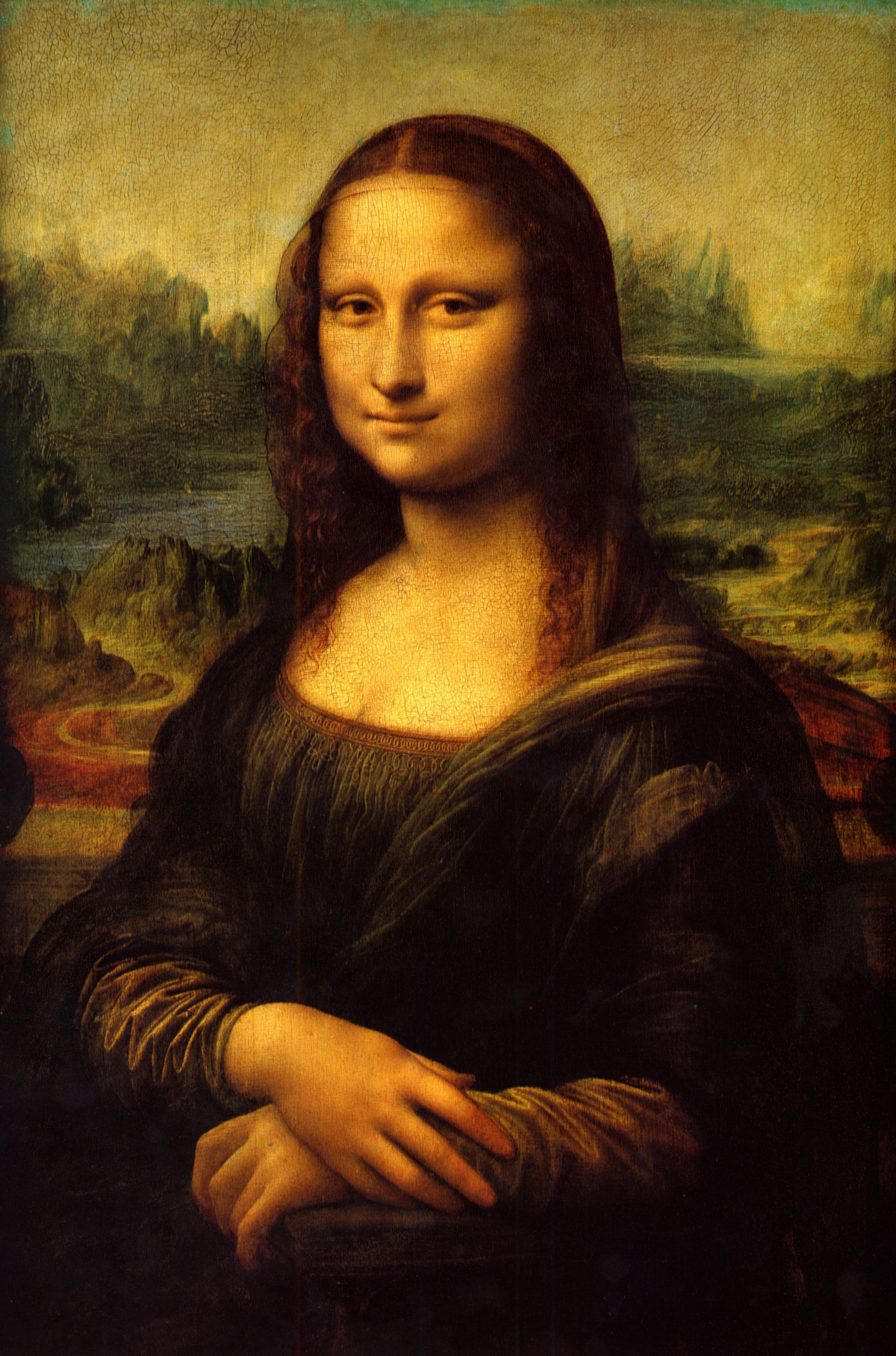

Inevitably, what is on the canvas is blatantly one person's mental image of what reality should look like. Art is never realistic. Art is always a representation. Art is always and forever seen through the mind, not the eye. This is why I don't think an alien species visiting the earth would ever "get" art. Humans as living organisms, yet, but the world seen through and distorted by the human mind ... what the heck is that?

So here's the rub. I have to conclude that there is a fundamental, irreconcilable difference between the world I see through artificial images (eg, paintings, photographs, movie and TV images, and images described with words) and actual images I see with my own eyes and process by my own mind. Because the mind is so adept at framing the visual input, trimming out the details it deems irrelevant or unimportant, and making up a message or theme of the abundant information, that we discard the most of the external input. As Sherlock Holmes pointed out, "You see, but you do not observe." Or we see only what we expect to see.

Prompted with the cue word of "waterlilies," what appears in your mind? To be honest, I have to search really hard in memory to dig out an image of real flowers and leaves in a real pond. Rather small and pale, not too impressive. More immediately accessible images are those of Monet's paintings --- I have certainly seen those more times and paid more attention. Yet, the waterlilies in Monet's paintings are images at least thrice processed: by his (not very acute) eyesight, by his mind's plan to frame and color them in a certain and harmonious way, and by his paintbrush. Ah, but then there are layers between me and the flowers that lay in front of the artist one day in his life --- the cultural judgment associated with Monet and his waterlilies and other known and unknown cultural preconceptions about all this.

The cud --- what does it taste like? And what about the real water lilies?

This is not to say that chewing others' cud is necessarily a bad thing. What I'm wondering is actually whether we know how much one sees and feels and believes is his own, derived from his own senses processing the tangible, concrete, material, real environment around him, and how much is pre-processed stuff from other people. The real world is, more than anything, indifferent to the themes and schemes, and the stories we tell ourselves.

I wonder.

See, the problem is, the memory of a picture of, say, a fish, or a video of fish swimming around, isn't terribly different from the memory of seeing a real fish swimming with my own eyes. The brain isn't particularly good at appreciating the real stuff. In fact, the pictures look better with their color coordination, simpler, more pleasing, more ... certain.

Monday, July 14, 2014

Andrew Wyeth Exhibition: Windows

Wind From the Sea
National Gallery of Art 最近在展出 Wyeth 作品。前些年在费城的时候看过很全的 Wyeth 作品展,但是记忆中仿佛没这次这么震撼,也不知是因为年纪和心情不同了呢,还是因为题材不同。Wyeth 的画至少有两类,有人的和没人的。这次展出的全是没人的,而且仅限于含“窗”元素的画。基本上他的所有的无人画都非常特别,有人的画反而没那么强烈的意向和震撼。除了窗子之外,他常常画挂在那里的衣服(尤其是大衣和睡衣),扔在那里的靴子,旧的,有历史的,既暗示了人,但又点明人的“不在”。

这次展出的画很多是他在邻居好友 Olson 姐弟俩的农场取材,农场和农屋相当破败,画中有很多油漆剥落的窗框和门板,快要散架的家具,破成一条一条的窗帘,之类的物件。色调大多很暗淡,少数画相对明亮,但是总体感觉很悲凉。总之,让我联想到的都是 shadows, death, decay 这里的词儿。

展览的文字介绍说,Wyeth 被艺术评论家定性为过气的写实派。美国画家仿佛玩抽象有点力不从心,除了 Jackson Pollock ,其他有名的抽象画家基本都是欧洲移民。有点影响的美国现代画家都是在写实上另找出路。Roy Lichtenstein 玩漫画,Andy Warhol 玩照片/名人,Edward Hopper 看着象杂志插图。不是说他们不好或不够高级,而是指出他们都选择了非抽象的道路。

Wyeth 也是通过写实主义打通了另一条路。他说自己的画表面上是实物,实际上是结构和线条。从这个角度来看就可以发现他的画的结构常常跟 landscape 或者静物画的传统不太一样,切入的角度不太传统,直线条远远多过弧线,而且常常使用门或窗代表的框架切割画面。

By presenting a sort of intermediate form between realism and abstract, he seems to make an argument about why abstract arm works on people. In the meaningless and unrecognizable lines and shapes and colors we recognize faces, objects, animals, and other familiar items. It really would be meaningless if our human brain is incapable of seeing a face in the cloud or a dancing man in a piece of root. Abstraction works only because it suggests something real and remembered in our mind. So here it is.

And then he goes one step further. His semi-real world/semi-abstraction hit me with a visceral force more violent than either realism or abstraction, and my gut reactions were primarily dark and frosty, such as sadness, loss, apprehension, mystery, and a vague horror. It seems to argue that seeing a human face or a scene of human action on the canvas is as distancing and safe as seeing lines and shapes and blocks of color. Somehow the imagination is most tickled when you suggest but do not show the presence of people. Perhaps it's his experimentation with the power of suggestion. The effect is eerily powerful.

Wyeth's vision has been unrecognized and misunderstood by critics, perhaps because of his choice to stay rural, away from New York City and from self-promotion.

Monday, February 24, 2014

Edward Hopper Impression (Aug 2013)

Whitney Museum: E 75th + Madison

Hopper, the sense of peeking into others' lives, no more than a peek, somewhere between knowing and not knowing, distance and intimacy. Staying in the space between a glimpse and a story.

Office at Night: Physically close but psychologically far away. The relative postures between the two people evolve over sketches and vary in suggestiveness.

The subject matters he chose reveal a deep curiosity over the hidden and private thoughts of people. The framing however hints at watching without involvement. A detached observer with an urge of plunging into the mystery.

"What are you after?"
"I'm after me." Hopper confessed.

The realism adds to the sense of confusion. Other modern works declare their intention "this is my subjective feeling and perception." He deceives you into thinking you are looking at a real scene and then distorts reality with mood.

Gazing at the golden light from a window while standing outside in the darkness. The half closed window, slightly lifted curtain. A photograph on the nightstand. The misty space between your mind and mine.

Sunday, August 11, 2013

Nighthawks

Nighthawks

最近在纽约附近出差,昨天星期六进城去 Whitney Museum 看了 Edward Hopper 素描展览,跟油画成品对比,可以看出他的创作思路和素材收集过程。终于看到了著名的 Nighthawks 这幅画,果然 ...我着迷地站在那里看了半天。今天闲着无事,心痒难熬,跳上火车进城再细细看一遍。

现实主义可以比超现实主义更加迷幻神秘。Andrew Wyeth 和 Edward Hopper 证明了这一点。

Conference at Night

Thursday, July 11, 2013

加急列夫的俄国芭蕾舞团


刚做完一个项目,给自己放两天假。今天去国家艺术馆 (NGA) 看 Diaghilev and the Ballets Russes, 1909--1929 展览。看得我头昏眼花,真是太那个啥了。看看他们出产的舞剧就知道有多厉害了:Scheherazade, Firebird, Petrushka, Rite of Spring (!!), The Afternoon of a Faun, Parade. 听听跟他的芭蕾舞团合作过的大名们就知道有多如雷贯耳了: Stravinsky 和 Prokofiev 给他们写过音乐,毕加索和马蒂斯和 George Rouault 给他们画过布景和设计过舞台,Jean Cocteau 给他们画过海报,罗丹给 Nijinsky 塑过铜像。这才发现原来他们都是同时代而且同圈子里的人,不同媒体的人互相影响,cross-pollination 达到极致了。

Diaghilev 是老板,他的天才在于识货与人脉,把对的人在对的时机中搞在一起,炮制出前所未有的效果。Stravinksy 的作曲加上 Michel Foskine 的编舞(将现代舞元素注入芭蕾)加上 Nijinsky 的表演加上 Leon Bakst 的服装设计,制造出无与伦比的作品。即使今日看来,这些芭蕾和创意仍然震撼得很。

在历史上只有很少的几次有这样的机会,大量的新思想新观念与 intellectually restless 的人同时集中在很小的空间里,加入一定的经济条件,引发巨大的艺术与思想甚至科学的大爆炸。文艺复兴时代与1900-1929这段时间就是最好的例子。这种大爆炸实属罕见,但留下的影响又久又远。我们今天的音乐和舞蹈还在深受那个时代的影响,仿佛一顿撑死人的饱餐之后,我们至今还躺在那里慢慢消化那时的神奇美味。之后,创新不是没有,但绝没有这么强烈的后果。或者六十年代后期的思潮勉强可以算一个大爆炸时期,但是艺术上的成就远远不及。


Vaslav Nijinsky 和 Diaghilev 之间的恩怨真是太狗血了,太狗血了!过去只看过一些模糊不清的照片,我没想到 Nijinsky 如此美貌。据说他的身材线条不美,不符合芭蕾标准,矮且四肢粗短,正因为如此,天然的缺陷给他制造了锲机,创造出牧神午后和春之祭这样打破传统惊世骇俗的作品。

Saturday, February 23, 2013

Helsinki Bus Station

Saw Oliver Burkeman's new article about Arno Minkkinen's Helsinki Bus Station Theory of creativity. Whether it reveals something to me about creativity I don't know, but it damn near makes me want to get up and visit Helsinki now just to check out their bus station!

Thursday, January 17, 2013

Civil War in American Arts

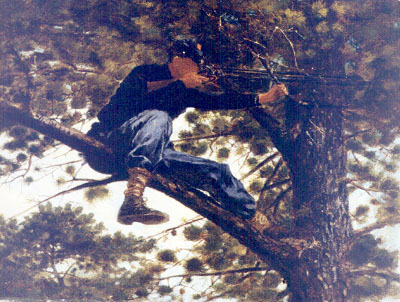
A Sharpshooter on Picket Duty by Winslow Homer
A benefit of working from home is strolling out in the middle of a Monday and have lunch with a retired friend at American Art Museum. At the moment they are putting on an amazing exhibit of The Civil War and American Art.

Alongside paintings of Winslow Homer and Eastman Johnson are photographs (a new medium at the time) of the battlefield of Gettysburg and ditches full of dead bodies. The contrast of unflinching, dark realism in the photographs and the softer allegorical, psychological representation in paintings is striking. All the paintings avoid direct depiction of death. That is not to say the paintings are necessarily inferior to photographs, but the photographs pack a punch to the gut that one cannot easily forget. Perhaps it was unbearable to put death itself directly on the canvas when the war was still going on. Painting the quiet moments between deaths might be the only way to think about war without thinking too much about death. 

I whispered to my friend that we don't see this kind of war photographs any more --- though not for lack of wars. No major newspaper or magazine prints images of limp, lifeless bodies with dead eyes staring at the sky. Fifty years ago, they did at least print some unpleasant photos from the Vietnam War. Now, nothing, just words on paper, but people are spared of the horrors of blood and gore, broken limps and dead eyes. The more civilized we become, the more we sanitize and obliterate death from our mind. I wondered aloud whether we would have less war if the public saw more pictures of real death staring at them in their pudgy face.

Nowadays people don't talk much about the Civil War. That's my observation as an immigrant and observer. Yet the ghost of Civil War looms over America. It's never left. It would be impossible to understand this nation and its collective psyche without seeing this long, invisible thread of slavery connecting the "All men are created equal" declaration to this day and dividing the people and their mind (yes, even those who have come after the Civil War cannot escape its shadow in one way or another).

Tuesday, December 11, 2012

Dom Pedro


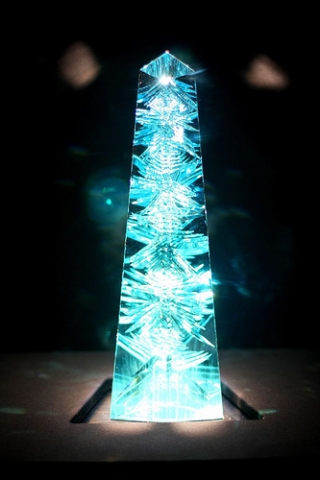
The world's largest cut aquamarine gem came on display at Museum of Natural History only last week. Unlike the Hope Diamond, which has its own Harry Winston display room, Dom Pedro is, at least for now, stuck by the door of the gem display room. This morning, I walked past the glass case twice before finally seeing it.

It is beautiful in a way entirely different from all the other jewels and gems in the room. Not just because it is large, standing 14 inch tall and nearly 5 pounds in weight. Not only because its haunting blue-green clarity reminds me of swimming in Hawaii. It is all these, plus the ingenious "negative cuts" into the back sides of the obelisk, which creates an illusion of light glowing from within. But that is not all. There was something else, something distinctive, that puzzled me as I strolled from one end of the room to the other, comparing the exquisite rubies and intense sapphires set in silver or gold or platinum rings or necklaces with the unadorned Dom Pedro.What makes it so distinctive in this room?

Compare Dom Pedro with, for example, the diamond necklace Napoleon gave to Josephine:


Or the astonishing Hope diamond:


Or, one of my favorite, the star sapphire:


Finally it dawned on me hours after I went home: Most gems and jewels are cut and set in a way that suggests femininity, while Dom Pedro, with its phallic shape, straight lines, and sharp angles, is unmistakably masculine. One can find absolutely no curve in this massive piece of gem. Even the cold, hard, and sharp diamonds are usually cut into shapes that somewhat suggest rounded edges or curved surfaces in order to temper the fragility of straight lines. Not Dom Pedro.

I can imagine the jewel designer Munsteiner chose to cut it just so because of the original cylindrical shape of the uncut beryl. Perhaps he decided that an obelisk was the best viable choice to preserve the most amount of the gem. Or perhaps, I suspect, this was an artistic statement to depart from the traditional feminine cuts of most gems. And how serendipitous to have Dom Pedro housed in one of the museums lining the National Mall, looking out to the Washington Monument.

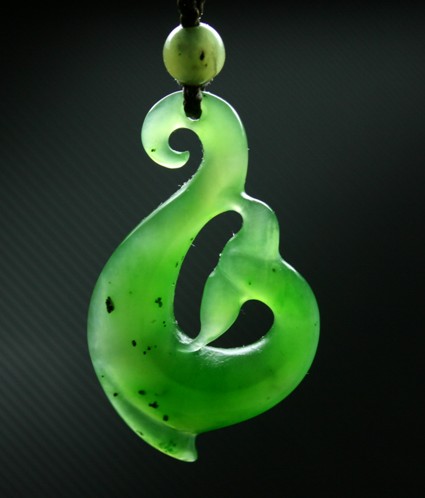
Somehow this ultra-angular aquamarine reminds me of the ultra-curvy jade carvings of New Zealand's Maori tribes. In the abstract shapes of fish, fishhooks, waves, and animals, there is never a straight line.


Wednesday, August 24, 2011

Hopper @ Hirshhorn


Went to Hirshhorn Modern Art Museum last weekend and was pleasantly surprised by a few Edward Hopper paintings, including the above "Hotel by a Railroad."

It again struck me with the restrained drama and implied emotional conflicts that always haunt Hopper's urban images. How does he convey, simultaneously, the characters' own isolation and their ambiguous relationship?

The woman's grey hair is a surprising touch that reminds me of Maugham --- She is not a youthful blond having a fling with a balding businessman in a hotel by a railroad. Hopper lifts a corner of the curtain over the mystery of the heart, but his spotlight on the characters (coming from right through the window) conceals as much as it reveals.

A viable exercise, I realized at the moment, would be to write at least one story or sketch on each of Hopper's "urban scenery" painting.

Friday, April 22, 2011

Gaugin Exhibition @ NGA


I've got to get my butt over to the National Gallery of Art before June 5! No excuses.

Friday, December 31, 2010

自知之明

过年放假,闲着也是闲着,从barb的博溜达到赋格的博,然后就看见一篇对阿城的访谈。赋格还很客气地评为“还真敢说啊”,换了我就说“还真敢胡说啊”。文章很长,我也没全看,就跳着看了点阿城对音乐、画、写作的说法。不过临到结尾的时候倒来了一段有趣的话:

阿城:都有,没有什么特别突出的,和人打交道,在这边有一点就是得小心,真的是精神上有问题的人特别多。中国又特别忌讳,“你说我是疯子。”这样的人大量混在人民群众当中,有的时候你很认真对待,就会发现,他是个精神病。

新京报:举个例子。

阿城:很多啊,我因为对这个还算有研究,我能够很快判断出一个人是不是有精神轻度分裂啊,是不是忧郁症等等。他其实不是他所要表达的要解决的, 焦虑的人特别多,这种其实我们去正视这件事就很简单,就好比在美国,很多人跟你说话之前,先告诉你,“我焦虑”,或者“医生说我现在不太正常”。这边不 是,你也不知道怎么回事,他就跟你直接说,那你最起码礼貌,就会很认真听,结果你发现他这儿(指脑子)有问题。

嗯,阿城还挺有自知之明的嘛。这篇谈话不需要读完就看得出他“这儿”多半是有点问题了。

(十分巧合的是,前两天晚上看电视的时候碰上重播古老的电视节目,Hitchcock 剧场中的一集,讲的就是疯子take over精神病院的情节。)

在豆瓣上的阿城小组上随便翻了翻,发现最近几年他的“作品”都是一些访谈,也就是跟自己哥儿们闲扯侃大山,然后记录下来,就可发表了。要么就是一堆给别人的书和艺术展览写的序言,我也懒得去找来看了。总之给人的感觉就是他和其他一些“文化人”、“艺术家”,眼下的真正职业就是 pundits,即所谓 "Talking Heads" 是也。太多的电视台和报刊杂志需要节目需要内容,有点破事儿发生,记者除了陈述干巴巴的事实之外,还需要找俩“专家”说几句应景话,告诉读者/观众/大众 what to think,所以职业 pundits 就应运而生。在美国的白天黑夜没完没了的新闻电视网上面信口胡柴的职业,原来早已风行中国出版/电视/文艺界。

随便翻了翻豆瓣上收录的阿城近些年的文章,似乎田壮壮的重拍版《小城之春》是阿城写的剧本,嘿嘿,两年前我抱怨这电影的时候倒还不知道这件事。另外看见一篇阿城介绍Raymond Chandler的文章,忍不住读了读,真是连 Wikipedia 里面的条目都不如,让人心里嘀咕“您倒是读没读过Chandler的小说啊?” 没有亲自读过半本原著的迹象 --- 虽然他自称侦探小说是看原文滴(其他文学作品则拒不看原文)。其实涅,这篇介绍文字给人的感觉是他连中文版 Raymond Chandler 也没看过。我十几岁的时候看过 Chandler 小说的中文版之后都能写出比这更像样的读后感。

Friday, November 26, 2010

Pre-Raphaelite 摄影与绘画

美国国家美术馆 (National Gallery of Art) 与巴黎 Musée d'Orsay 合办的展览 (这个网站里有展出的作品中的一部分),把前拉菲尔派的一些油画和摄影作品放在一起展出。在DC三个月,然后移到巴黎再展三个月。今天跑去看了一下,NGA 里还挺挤的,当然并不全是为了看这个。

前拉菲尔派在十九世纪下半叶活动,过去听说的成员有画家和诗人(例如Millais, Rossetti, Morris, Ruskin, Tennyson这些名字),倒没见人提起过摄影。这个展览的有趣之处就在于给人看到早期摄影的一些调调儿。摄影技术是1830年代发明的,新奇好玩的新技术落到艺术家手里,可以看出他们当时还在探索摄影与绘画的差别和共通之处,试验摸索怎样利用这个新技术新媒体。

展出中有一些1850-60年代拍摄的黑白风景照片,乍看之下,至少在构图和概念上,已经接近现代风景照片,例如满地石砺造成的抽象 pattern,从高山俯瞰下面的村落房屋形成的 pattern,树叶形成的 pattern。看样子当时对自然光线制造出的画面效果显然已经有不少研究。

除了风景照片之外,还展出了一些人物肖像照片,至少一半是 Julia Margaret Cameron 拍的,还有一些是Charles Lutwidge Dodgson (aka Lewis Carroll) 拍的,少数其他人拍的。这些肖像照片显得非常 ... pose-y,常常是按照油画的构图和姿态设计的,或者按照诗或故事的情节,让模特穿上costumes,摆出姿态。题材呢,不是 Rossetti 的画就是 Tennyson 的诗,要么就是他们喜欢的古装亚瑟王情节。Henry Peach Robinson 有一张 The Lady of Shalott 照片,Cameron 有一张 Lancelot & Guineviere 的照片和一张 King Lear 题材的照片。

如果说这些古装肖像照有什么历史意义,我觉得就是凸显了画与摄影的重大差别,证明了摄影不能照搬绘画的套路。这些构图和题材吧,如果画成画绝无问题,而且也真的被画过,但是拍成照片就显得生硬,不恰当,goofy,cheap,让人想起舞台剧的剧照,观者感觉很出戏,没法感情投入。这个现象,我想了半天也没想明白为什么,是因为习惯了现代摄影中的自然抓拍感么?

看样子 Cameron 自己也意识到了用真人穿古装拍出来的照片跟画古装画有根本差别,她用了各种手法想要抹去照片中的突兀感,例如用树叶和花冠环绕人物,改变曝光与聚焦,令画面某些部分模糊,但是都没有用,仍然显得突兀和不协调,仍然达不到诗意的效果。只有一张 Tennyson 的真人肖像照,不穿 costume 的实际模样,才比较让人能接受。

平行展出的几幅油画,让我实在是 ... 无感。他们的风景画过分写实呆板,而当时法国画家早把风景画里外搞了个透,正走向主观的印象派了。几幅 Rossetti 和 Millais 的人物画,技术挺粗糙的。天啊,画人物你还能画得过拉菲尔?有了拉菲尔为啥还要看你这些?难怪要称之为前拉菲尔了,可实际上比拉菲尔之前的文艺复兴画也差了很多 ... 简直是浪费时间。欧陆的艺术家都学乖了,与其苦练写实画基本功,不如另辟新路,凸显个性搞现代派。

照片的另一好处是真实记录前拉菲尔派中的几个著名的muse女模特,包括 Ellen Terry (Mrs. Watts), Jane Morris, 和 Alice Liddell (就是 Alice in Wonderland 的原型)。看样子也不是绝世美女,我特别不觉得 Jane Morris 有啥好看,而 Rossetti 给她画的肖像似乎还把她画丑了,下巴忒大。


Jane Morris 真人照片:


我觉得前拉菲尔派的肖像照片和画让我不喜欢的原因之一是让人觉得特假。不过,“要的就是假”的风格跟维多利亚时代的英国文化倒也很一致。

Thursday, October 14, 2010

Francisco de Goya y Lucientes (4)

07年参观普拉多时, Goya的铜版画连影子也没看见,也不知被藏到哪里去了。真正带来巨大震撼的,除了五月三日枪毙图之外,就是他的Black Paintings。

72岁的时候,Goya又老又病又潦倒,搬到了这栋房子里闷头住了四年,陪着的只有照顾他多年的远亲Leocadia Weiss 和她的私生女。有史学家相信私生女是Leocadia和Goya生的,谁知道呢?如果真有爱人女儿陪着他度过最潦倒孤独的老年,未尝不是安慰。

Goya在墙上涂了14幅画,楼上楼下,前后左右,每日环绕着他,毫无疑问这些绝对彻底是自己画给自己的,是压抑不住直接从心里倾倒出来的蒸汽和岩浆。这些画全无文字记录,Goya也未曾解释,连个题目都没有,现在的画题还是后人给加的,其中有几张画让人想起他过去的作品,如飞行的女巫,朝圣的人流,但其他的黑画,让人惊骇战栗,难以置信:那张几乎是抽象派的狗,从墨墨黑的地面战战兢兢地探出头来仰望昏黄的空白---有谁敢用这样的构图?比Rothko还大胆超前。

给我印象最深的几幅黑画,一是血淋淋的著名的食人老头,虽然被人按照神话命名为Saturn Devouring His Son,可实际上谁也不知道他所指是否Saturn,我倒觉得这世上吃人的现象多得很,Goya活到这把年纪,见过经历过的真事,足够填满许多幅这样的画了。另一幅是行走大地的巨人,第一次看见这幅画我简直不敢相信,这画面非常非常眼熟,记得在恶梦中看见过。但是,搞笑的是,最近几年有西班牙特别是普拉多的艺术研究员认为这幅画不是Goya画的,因为画中的牛和驴太难看了,太假了,不可能是Goya的手笔;于是把作者名也改成了"Follower of Goya"。想想也真奇怪,Goya一个人躲进小楼成一统,自顾自在墙上画了一堆随心所欲的壁画,怎么突然跑出来一个天晓得的"Follower"也凑上去作一幅风格、色彩、主题都十分相近的仿作呢?麻烦的是,Goya自己没留下书面记录,所以也没法证明他当年到底画了几幅,哪些是他的,所以也无法确认会不会有人跑到他的屋子里去画了一幅仿作。可是我仍然认为,巨人是无名追随者的仿作的可能性不大---我又不是毕生研究艺术史的专家,我的看法能值几分钱?反正死无对证,除非发明时空穿梭机才会有定论。

可是黑暗恐怖并不是黑画或老年Goya的全部,其中还有一幅女肖像,丰腴性感,亲切挑逗,连身后的背景都是明亮的蓝天。后人加题目指其为Leocadia,真是她吗?谁知道呢,但我们看得出Goya仍有荡漾春心,并非陷入深渊不可自拔,在看透、控诉、讽刺的同时不忘谈点儿恋爱。

把动物变成象人的东西,即拟人化 (anthropomorphism),是文艺里常见的手法,牛头马面的人身也不罕见,可是Goya另有一套:他把人脸画得七歪八扭,有时象骷髅,有时象鬼魅,更多象野兽,连卡通漫画都没这么玩的。扭曲变形的人脸,Goya早在Los Capricos 铜版画里就开始试验了,有时候我甚至疑心他给卡洛斯四世画的肖像都有点猪头猪脑。Goya想表达的是人之荒谬与兽性,这一点已毫无疑问,不过在愤世嫉俗之中又透着仰天大笑的墨墨黑的幽默,更让观者抓耳挠腮如坐针毡哭笑不得。这些画中的人脸让我没法不联想到《动物农庄》的结尾一段:

Twelve voices were shouting in anger, and they were all alike. No question, now, what had happened to the faces of the pigs. The creatures outside looked from pig to man, and from man to pig, and from pig to man again; but already it was impossible to say which was which.


重看黑画,我长叹一声,它们都有一个特点: 一方面你觉得这些画面有点奇怪的熟悉,过去读过的某些神怪小说或段落曾在你的想象中激发类似的景象,留下梦一样的印象;另一方面,惊骇不已,没有任何人做这样的东西,他的脑子...我无法形容,只能说,不是个画家的脑子,而是个小说家的脑子,里面重重叠叠曲曲折折塞满了一部又一部的书,从Plato到山海经,从新闻杂文到Catch 22。完蛋了,我又联想到鲁迅,那个又写杂文又写故事新编,又写阿Q正传又写中国文学史的鲁迅。

黑画里最好看的(我认为)就是最佳例子:二人棒击图。两个农民打扮的人,脚下似乎已经泥足深陷,但还是高举木棒斗个你死我活;远近是宁静优美的山野景色,蓝天白云,简直是田园风光。画中的矛盾气氛特别古怪。这幅画是象征西班牙内部保守派和进步派的斗争么?是指西班牙与法国的战争么?是讽刺愚昧械斗的农民么?是指超人或巨神么(因为背后的山脉显得很矮)?关于此画含义的理论满天飞,可是别忘了Goya画这幅画的时候,并没有“画给别人看”的计划!我相信他决无“画以载道”的打算,他只是忍不住要把脑子里那些黑暗荒诞的幻像画出来。Goya的黑画比现代艺术更加自我中心,更加无视买主、市场、观众的接受程度,因为他当时已全聋、失势、如丧家之犬,画布也不要,直接在自家墙上涂涂涂,根本没想拿出来给别人看,哪怕是用来惊世骇俗。这些画在Goya死后许多年才被人复制(拓?临摹?我看见的资料都语焉不详)到画布上,后来被普拉多收藏,复制时已七零八落,很多细节无法还原。如果有什么含义,也不是要给世人传递什么警世恒言。两个人凶狠打斗,你死我活,两败俱伤,原因是什么,谁对谁错,有什么关系?这难道不是人类自古一贯的写照?

《月亮和六便士》的结尾叙述画家主角在南洋小岛上穷困潦倒,死前在简陋茅屋里画了整墙的画,把疯狂的内心整个吐出来,留下遗言死后让爱人把画连房子一把火烧了。因为之前看过这本小说,所以听说Goya黑画事迹的时候,惊异混杂着似曾相识感 --- 跟他的画带来的感受是一样的。当然这是毛姆的老一套:毫不脸红地照抄现实人生。因此我以为Goya画完这些画就死了,如此呕心沥血之作,他又已经那么老那么衰,怎么可能在画完这些画之后还有气力活下去呢?但现实比小说更出人意料。1824年,Goya 跟费迪南七世及其政府的关系更加恶化(到老也没学会服从和归顺),连马德里郊区也呆不下去了,逃亡到法国,又多活了好几年,甚至有继续作画(例如玩lithograph/石版画)直到1828年才去世。

Wednesday, October 13, 2010

Francisco de Goya y Lucientes (3)

1808年,拿破仑入侵并占领西班牙(半岛战争),此后一直有民间游击队骚扰攻击占领军,直到1814年法军被欧洲联军打败撤出,西班牙国王斐迪南七世(卡洛斯四世的儿子)回来重拿王冠。拿破仑入侵,令Goya十分难做,本国人民的爱国抵抗运动与曾经代表进步与理想的法国文化,在战争与杀戮之中撞得粉粉碎。他心里是怎样的呢?没人确切地知道,只能从他留下的作品中间接猜想。

1814年,西班牙被解放回归之后,皇室出钱请Goya画个爱国画,他画了两张油画,第一张是 1808年5月2日,在这一天马德里市民自发暴动,跟法军中的穆斯林骑兵(Mamluk)发生直接冲突;第二张是1808年5月3日,描述法军枪毙西班牙暴动者的情景。看上去,这两幅都是买主指定的爱国作品 --- 哦不,我并不怀疑Goya的爱国感情,但是,只是,两幅画都是以血腥暴力为重点,流了一地的血,虽然让人自然联想到Delacroix的自由引导人民,却没有那幅画里的英雄主义的激昂感觉。特别是5月3日枪毙图,背后是无边的黑夜,眼前一盏灯从脚下往上照亮了即将被杀的囚犯的脸,围观者掩面不能面对,留下观画者心惊肉跳。

可是,这两幅油画还不算什么,战争留下的创伤记忆,Goya的铜版画系列,战争的灾难(Los Desastres de la Guerra), 才是真正血淋淋的记录。在马德里我没有看见这些铜版画,后来在书里找到,从第一次看见,到现在重看(中间也未曾/不敢多看),它们象饱含暴雨的黑云越聚越浓,压得人喘不过气来,象绝望的铅块,拖着人坠入无底洞,象鲁迅所形容的密封的黑屋子,醒来却伸手不见五指。The depravity. The unthinkable enormity of human depravity.

恰好前天带爹妈去城里观光,抄近路穿过 National Gallery of Art 的雕塑花园时,我爹指着树丛中远处说,那里有一群无头的铜人是啥?我探头张望,原来是现代派雕塑之一,题名为 Girls 。我爹口气古怪地说,这雕塑让他想起小时候日本人打过来时跟着家人逃难到山里,路过一个村子,看见一大片树桩上绑着许多村民,每个人的头都被砍掉了。七十年之前的血腥记忆,在这个意外的场合被勾起。The things people do to each other. The horrible things people do to each other. How do we live with it? How do we live among ourselves and survive the human nature?

什么样的人能承受这么重的噩梦,然后毫不躲避或粉饰地直视着它,不需要英雄主义、爱国主义、道德理论、或任何其他信仰支撑一下或用艺术遮盖半点,就这么赤裸裸地瞪着血淋淋的事实,看画的人通过他的眼和画,面对真实丑恶可怕,我们自己无法面对、拼命涂抹装饰的人性。每次看见战争的灾难中的一些画,我会产生直觉反应,跟听说或读到野蛮实事时的反应一样: 呆若木鸡,手脚冰凉,paralyzed, seized by horror, disgust, misanthropy。

这些铜版画有素描的感觉,让人联想起战地记者拍摄的那些越战照片,只是这些画更尖锐,更充满了愤怒的冷笑 --- 真奇怪,在如此黑暗绝望的画里,Goya独有的讽刺和幽默口吻只有更强烈更诡异地透出来。而且,这些铜版画并非简单直接的爱国宣传画,它们留下的印象决不只是打倒侵略者驱走鞑虏而已。如果主题单纯直白,这些画也不会等到Goya去世35年之后才面世发表。

有不少索引派历史研究学者认为,Goya 在半岛战争中的那几年并没吃多少苦,当时还有不少法国贵族和军官请他画画,日子显然过得比大多数西班牙人好多了,所以,他的铜版画里那些 macabre 画面多半是他道听途说添油加醋甚至哗众取宠赚人眼球的结果。对啊对啊,世上哪有这么丑恶无耻恐怖野蛮血腥暴力的行为呀,一定是Goya 捏造出来的。

你能想象Goya当时的痛苦么?曾经向往的理想、代表进步的法国,宣扬传播的那些新思想新文化,本以为可以消灭西班牙百多年Inquisition留下的愚昧落后的思想牵制和专制压迫。结果,法国人来了,屠杀很多很多的同胞,同胞起义抵抗,目睹更多的流血和死亡和惨剧。拿破仑虽然是侵略者,把西班牙国王关起来,把自己兄弟(Joseph)安插在王位上,但他又把扩大民主和法制的宪法塞给西班牙(1812宪法),且废除了Inquisition 制度。Goya must have been torn to pieces inside. How do you survive all this?

Yet survive he did. 1814年,拿破仑被打败,费迪南七世回归,他对宪法毫无兴趣,他爹 (Carlos IV) 推行的进步政策也被丢弃一边,皇家专制和教会 Inquisition 再次统治西班牙。当然,Goya在新国王面前大大失宠也是必然的了。

Saturday, October 9, 2010

Francisco de Goya y Lucientes (2)

如果这个人象拉斐尔之类英年早逝,恐怕也就没啥事儿了:逗人喜爱的皇家肖像画,运用光影和色彩颇有两把刷子的风景画,散发着性感和亲密气氛的Maja女图,加上几幅让人摸不着头脑的女巫和疯子画,基本上后代观者都能安全而欣喜地欣赏爱戴。可见活得长与活得短,差别巨大。

四十几岁的时候,Goya忽然大病一场,没人知道具体是什么病,有人根据记载症状认为是霍乱,令他元气大伤,渐渐恢复后耳朵已经半聋,而且在未来几十年中逐渐恶化,越来越聋。不知为啥(他又不是贝多芬,靠声音过日子)耳聋对他影响深刻,渐渐孤僻起来,不爱跟人来往,脾气变坏。不知是因为暴病带来的人生无常感还是耳聋带来的孤独隔绝感,大约从这时候开始,Goya的任性和愤世嫉俗的倾向开始大爆发,作品顺着“我喜欢/我要/我想/我感觉/我表达”的现代艺术道路越滑越远。

耳聋后,Goya一边还在做本行生意(买主出钱他做工),一边开始玩副业aquatint etchings,是一种黑白色的、快速简捷的铜版画技术,刻完之后可以复印很多幅,常用在插图画里。铜版画不象油画那样仅此一幅,价格昂贵,只有皇家贵族或教会能负担起,而是一种相对平民化大众化的媒介。Goya画了一系列讽刺抨击社会现状的铜版画,称为Los Caprichos。其中最有名的一幅大约是The Sleep of Reason Produces Monsters。 Los Caprichos 的攻击对象,不是愚昧的民众就是用Inquisition迫害异己的教会,现在看看这些画完全是在针砭时弊,充满了黑色幽默而又毫不留情的痛骂。

访问普拉多的时候,我没有见到他的铜版画原作(Los Capricho 系列和后来的战争纪实系列),也许当时借给别处美术馆展出,也许是错过了没看到。后来在资料书中看见这些画,看得目瞪口呆 --- 第一联想到的是鲁迅,第二想到的是,MD,这家伙一定是个damned liberal。胆儿不小啊,Spanish Inquisition当时已经几乎绝迹,但是两百年的教会恐怖统治留下的阴影仍笼罩在大家的头上。很明显Goya脑子里装的净是激进的北佬法国人,如伏尔泰他们,宣扬的可怕而危险的“自由民主博爱”理论以及反封建反教会的Enlightenment运动,画的铜版画“丑化”教会人士,攻击伟大的Inquisition制度,讽刺民众愚昧和迷信。这套充满了政治内容,极其不合时宜的铜版画,发行不久即悄悄地被收了起来,铜版后来送给了国王。

除了铜版画外,Goya还画过几幅抨击Inquisition和教会的油画,显然也不是有人下单子要买才做的画,例如The Inquisition Tribunal。作为一个中国人,虽然没有亲眼见过类似的批斗场面,却也比普通洋人对此景更感到心惊肉跳。

目的性强、政治主题的艺术,一般都是很难看的。可是这些铜版画却异乎寻常的好看,线条粗犷,眼光奇突,构图自由,形象夸张又精准,内容建立在细致的生活观察上,加上作者诡异的幽默感,即使不知道它们的题目都会不由自主被紧紧抓住。有谁会做这样的东西?文艺复兴的时代,艺术家在政治斗争里插一脚绝不是罕见现象,例如雕塑家Cellini 就掺和进大公、王族的叛乱和争权。但是有谁象Goya这样左手搞“高雅艺术”右手玩政治漫画,而且混合二者呢?毕加索也就只画了一幅Guernica,还是百多年后的事儿。还有那个画家玩这种东西呢?所以我总觉得Goya 如果没去画画儿,多半会写很多很多的字,写小说,写新闻,写哲学,但最可能的还是写小说。

没错,Goya是个damned liberal,一群不停北望的“精英派”之中的一员,老琢磨着要用理性、科学、教育把愚昧的人民从教会的控制下救出来,老觉得西班牙太落后太土太不进步,怎么出不了伏尔泰左拉康德那样的哲学家思想家呢?可是,崇法派的这些知识分子,很快就被兜头浇了一盆冰水。

Friday, October 8, 2010

Francisco de Goya y Lucientes (1)

自从去过了普拉多之后一直想写 Goya 但一直下不了手,为啥呢?因为这件事太庞大了---倒不一定解释和介绍 Goya 的生平与艺术是一件极其庞大的工程,而是我一想到他的艺术或者打算形容他给我的感受就头痛,千言万语张口结舌不知从何说起。

我在网上逛了逛,没找到有哪个网站收集了很多很全的Goya作品。最系统的去处倒是Wikipedia中的条目和作品列表,连接中收集了众多作品的画面。

现在我终于有点明白为什么美术史将 Goya 定性为古代与现代画派的一个重大分野。现代人常常忘记了艺术自古都是一项手艺,跟银器匠、泥水匠、大厨之类没有本质的区别,艺术品是 commodity,创作本身就是买卖交易,买主指定题材内容之后付出定金,画家才动手,画完了对方够满意再付剩下的账单。不象现代文艺大多是先被创作出来然后拿出去拍卖,谁看中了谁出钱购买,内容与形式都由作者掌握(当然他可以按照市场风头决定内容形式),买主只是愿者上钩。所以古典画的套路是极其程式化的,买主要什么你就画什么:教会要在教堂里挂圣母像,耶稣受难像,圣经里的著名段落;王公贵族要在宫殿里肖像,堂皇隆重的全家福;晚一点商业发达,中产阶级要在家里挂自己的肖像,象征富足的厨房和静物,以及宣扬俗世道德价值的讽喻(allegory) 画。另外,画家都是在名家作坊里多年学徒出来的工人,技巧与风格一脉相承,除非你是横空出世的奇才,否则安安稳稳地重复前人是最明智的谋生哲学。It's a job. 与兴趣、热情、个性之类都没啥关系。至于米开朗基罗这种人,一百年才出一两个而已,在风格上想怎么样就怎么样,但在题材上仍然是买主(patron)说了算。

Goya 的前半生毫无悬念,走的是同一条传统画家的路。从作坊里学徒多年,表现出相当的天赋和娴熟的技巧,同时又透露出丝丝个性。渐渐被人看中,受雇于皇家织毯工厂,画一些鲜艳明朗的风俗画给织毯图案作设计底稿(tapestry cartoons)。这些画是典型的商业装饰画---并非说它们不美,而是说题材和风格是既定的,顾客要什么我就画什么。在Prado里看了好几幅,里面的青年男女踏青嬉戏,红彤彤的脸蛋微笑开朗,让人看了就心情愉快,是居家必备的装饰良品。这时候的Goya大约如新踏上华尔街西装笔挺踌躇满志的青年,The world is his oyster.

继续顺利地往上爬,爬到御用画家的地位,想必是当时所有同行的野心顶峰,一辈子金饭碗抱定了。人人都想做到前辈Velasquez的程度。那是他事业,哦不,生意兴隆的年代,很多皇亲国戚找他买肖像画,Goya本来可以一直如此逍遥下去,名利双收。Prado收藏了不少Goya的皇家肖像,包括最著名的Carlos IV一家 (1800),Duchess of Alba (据说是他的情人)。 这些肖像画还算“正常”,只是有时给人莫名的感觉:似乎画家在勤恳工作的外表下面正咕咕地偷笑。

即使是这春风得意的期间,Goya已经开始画一些让人忍不住要啃指甲的画,这些画的题材与风格,坦白讲,在别处我没有见过类似的东西,也不知他是从脑子里哪个角落里掏出来的奇思异想。例如,他画过好几张女巫图,包括 Witches' Sabbath,Witches' Flight,疯人院。你知道这些画给我的感觉是啥么?它们让我觉得Goya脑子里在上映好几部巨长的电影,电影里充满了特技和幻想,情节曲折诡异,然后他把电影里的几张画面定格拿出来给我们看。我从来没见过这么奇怪的画,怎么说呢?看到的当时和事后都无法形容,只觉得忒眼熟,但决不是在别人的画中见过,而是让我联想起文学作品。对,这就是Goya给我的感觉之一:一般来说画总是 self-contained,一幅画就是一个相对完整的世界,有完整的主题、结构、意义; 但Goya的画让我无法控制地想到文字和电影,而且是没完没了情节巨复杂的大部头,如Lord of the Rings,或者是一篇又一篇的战地记者发回的新闻稿(这个后面再讲)。画面之外的世界鲜明真切而且层层叠叠,让人咚地一下就整个掉进去了,跟着他往画框之外越走越深,不知所终。

The Ending of Le Samourai (1967), Explained

A quick online search after watching Jean-Pierre Melville's Le Samourai confirmed my suspicion: The plot is very rarely understood by E...