Search This Blog

Tuesday, May 23, 2023

Thoughts on Artificial Intelligence (2)

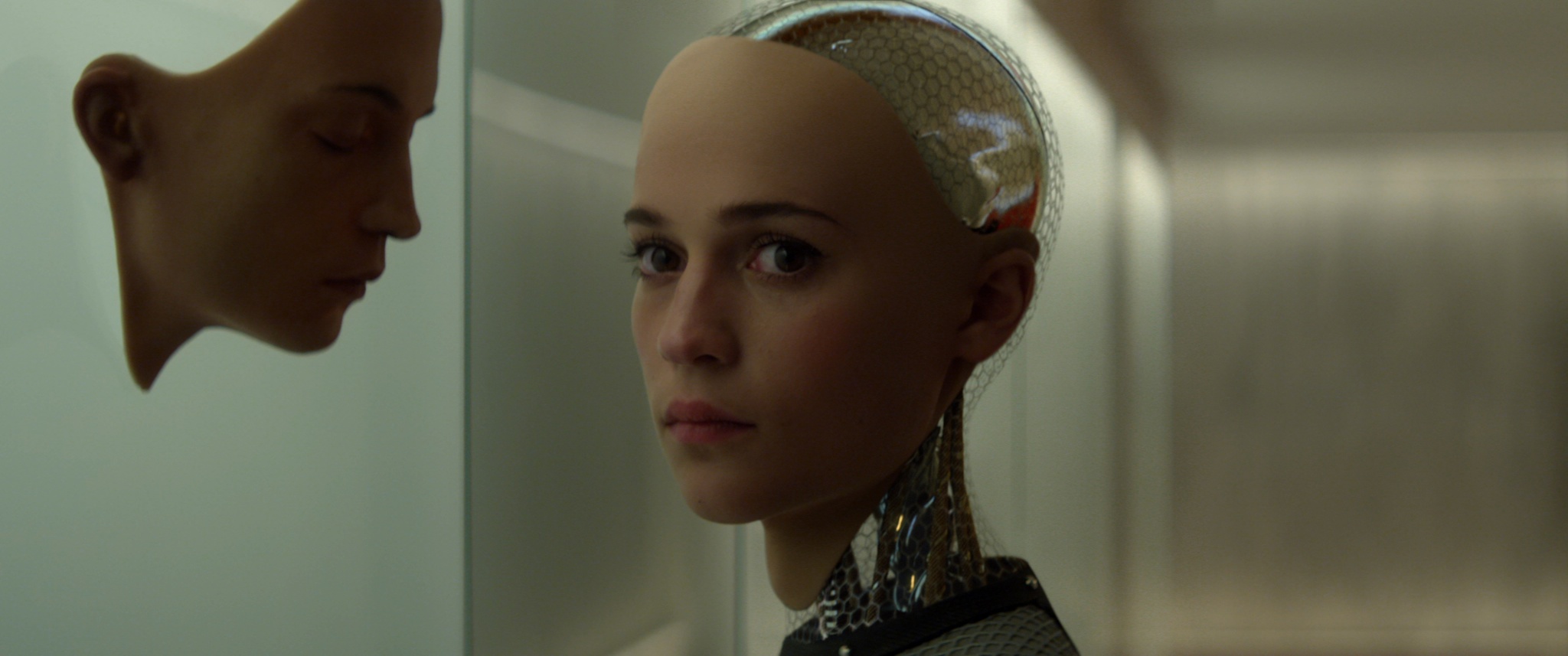
Ursula Le Guin said, "Science fiction is not predictive; it's descriptive." I'm sure AI will rob many people of their jobs and change society in some ways, but my interest is of course less about the machine itself and more about the humanity reflected in the metallic shell. 

Machines have learned to beat humans in chess and go a few years ago, but it is a chat program that caused widespread panic/excitement, because it is now "talking" to average humans. It is not a surprise that we instinctively feel that a machine that talks to us is somehow more human than a machine that beat us at board games, because that is just the means with which each person interacts with other humans: language. 

Well, no, not exactly, we do not interact with other humans solely through language. However, since its emergence some 150,000 years ago, human communication increasingly depends on language, this abstract symbol that only evokes but is not the real thing. Money is not provide nutrition if swallowed. A drawing of flowers does not emit fragrance. The words "I love you" does not keep one warm at night. 

Nevertheless, the daily human experience, not limited to communication, is more and more lived through symbols. Just ask people how often they take telephone calls and see how many have completely switched to text messages. 

Now more than ever, it is clear that machines will never be like human, even if their imitation becomes impeccable. Why? Because machines do not have bodies. They do not crave chocolate; their intestines are not colonized by billions of bacteria; their eyes do not well up with tears; their skin does not sweat; they do not feel their bodies change; and they are not the prisoner of their bodies' eventual demise. Instead, they crunch numbers and convert them into the numbers that we understand. I am not against calling machines "alive" or "conscious", but human they can never be. 

On the other hand, humans are sliding down the slope into an existence that is ever closer to machines, as we rely more and more on symbols to talk to each other and even ourselves. The body, the sensations, and the tingling on the skin, are slowly sinking into oblivion. 

Sunday, May 14, 2023

Thoughts on Artificial Intelligence (1)


Even if I am not all that interested in ChatGPT or AI in general, one cannot go around today without hearing about it. Can AI eventually replace humans? I think the answer is a foregone conclusion. Yes, of course. So far, the text sputtered out from ChatGPT is indistinguishable from a mediocre human writer: long-winded, dull, unreliable, a mixture of truth and rumors and occasional lies. 

The heart of the matter is not whether AI is in fact human-like, possessing the goodies that we have assigned to ourselves: consciousness, intelligence, self-awareness, etc. The real question is: Can we tell the difference? That's the essence of the Turing Test, and the answer is clearly, NO. A human cannot look at blocks of text on the screen and know whether it has been written by another human or a machine. 

So the uncomfortable question is: Are human no more than a machine? More than a possible future in which humans are obliterated by machines, the fear and discomfort is in the here and now: We are not special and maybe not as smart as we think. 

Sure, we can pat ourselves on the back for the fact that these human imitations were "created" or "invented" by humans, followed by the realization that we are not so complex or sublime or mythical that we cannot be easily imitated with some codes and billions and trillions of human-generated words as training material. In other words, real humans are pretty boring and predictable. We're also a bunch of narcissists who molded some clay creatures in our own image, and now in these images we see the plainness of ourselves. Oops. 

Wednesday, April 12, 2023

Triangle of Sadness


It is a bizarre coincidence that, in the same year (2022), there was a movie that disguises itself as being sympathetic to abusive power and another movie that disguises itself as making fun of the rich and privileged, while the real sentiment of the filmmakers was the opposite. Perhaps artistic expression always contains an element of pretention or coverup? 

Ruben Ostlund's movie is explicitly divided into three parts. It must be noted that the young couple of models, played by Charlbi Dean Kriek and Harris Dickinson, were in all three parts, even if they do not appear to be the center of the story in the second and third parts. The second part, which many critics either embrace or condemn, is the foundation of this appearance that the movie is making fun of the rich, upper-class people in the world. I completely agree with the criticism of this absurd farce, in which a bunch of forgettable caricatures of rich people puked and pooped on a luxury yacht. It is rather curious, however, how bad the middle part of the movie is. It's not funny (worth at most a few awkward chuckles) and totally meaningless. None of the characters carries a trace of truth that reminds the audience of the rich and powerful people in the real world. However, before we completely dismiss it, let's take a look at the first and last parts. 

The first part of the movie gives us scenes from a rather unflattering and truly hilarious (here the awkwardness works) relationship between the two models. They argue. They fight. Is it about money? They deny it. Then they seem to admit it. Then they deny it some more. As they dance around the issue of money, we get the vague sense that the conflict has more to do about gender roles than economics. Kriek's character declares that her goal is to find a rich man to marry and Dickinson's character is just a temporary fling during her search. So it is indeed about money, specifically, the traditional gender roles in which men give women money. 

The third part is a desert island--"Survivor" type of setup. To sum it up simply, a previous servant on the yacht, a Filipino cleaning lady played by Dolly De Leon, leaps into the position of power because of her superior survivor skills, while the sources of status on the yacht (wealth, rank, brawn) have lost their meaning on the island. She gradually starts to boss everyone around and exerts her dominance by taking the pretty boy into her bedroom. So his gender role is now the same as that suggested (but not realized) for Kriek in the first part --- selling one's body for material gains (in this case, food). 

The ending is particularly revealing of Ostlund's own intent. 

<SPOILERS BELOW!>

Without going into specifics, let me just say that the message is transparently that power corrupts equally people who did not have it, be it a woman, or a dark-skinned woman, or a dark-skinned older woman without beauty, or a dark-skinned older un-beautiful woman who works downstairs as a servant. As a topic for debate in abstract theory, there is nothing wrong with bringing it up. On the other hand, for Ruben Ostlund to lecture us about the danger of women in power, is a little like a king telling the starving peasants on the verge of revolution to sit down and shut up because, well, you will be corrupted by power once you have mine, so you'd better let me keep it. 

Sure, he has the right to feel this way, and I have the right to feel slightly queasy. 

In the final scene, we see Dickinson's character running in the jungle. According to Ostlund's own explanation, it suggests that he is on his way to rescue his girlfriend (the young and pretty one, not the recent old woman boss/lover, because he no longer needs her). So here we are back to agonizing over the gender role. What use is a man? Women can fish and cook and start fires and feed themselves. The answer, it seems, is that he can save his girlfriend. There may be some violence involved, but Ostlund does not want to go beyond a mere hint. 

So, in the end, Triangle of Sadness is really about gender roles and power, and how both concerns relate to each other. This is not a surprise. He presented the same question, what use is a man?, in his previous movie "Force Majeure". If a man is not able/willing to save his wife and children from death (at the risk of losing his own life), is he worthless? What is his place/role/identity in this world? 

As an American woman living in 2023, it is very difficult for me to sympathize with Ruben Ostlund, a Swedish man, on this discussion about whether women with equal power will behave as badly as men do, or whether women in fact already have more power than men, and what that does to men's place in the world. I must say that I have detected, in some fictional representations here and there, a discontent among Scandinavian men, who have lived in a more progressive, more gender-equal environment for much longer than I have. I do not know whether Swedish or Finnish women have surpassed their fellow countrymen in power and begun to oppress them --- although economic data suggest no. But you know the saying, when you are used to privilege, equality feels like oppression. Their feeling of being oppressed is palpable, and I acknowledge that. 

What is truly amusing to me, however, is how Triangle of Sadness hides a somewhat reactionary heart underneath an anti-rich veneer by throwing shit around, while Tar pretends to ridicule the "Metoo" movement while tucking its anti-imperialist message in dream scenes. I enjoyed the discovery, but I'm not sure how I feel about so much dodging around. 

Wednesday, March 15, 2023

破门前后:中日对照

欧洲人进入日本可以追溯到十六世纪后期,西班牙传教士在民间传教,与当地政治秩序产生一定摩擦。德川幕府建立后(1603),逐渐加强对外国人的限制,开放长崎和平户两个港口允许外国船只停靠和贸易。其中荷兰商人被允许的权利最大,也许因为荷兰船只一心经商,对传教不太热衷(西医药进入日本时被称为“兰学”)。

1633年幕府开始实施“锁国令”,原因或许政治经济都有。1637年爆发岛原之乱,起因是农民不堪压榨而反抗官府,但同时基督教也起到凝聚力和号召力的作用。

对比1840年代开始的太平天国运动,也是与基督教相关的反政府组织,虽然相隔两百年,二者近似之处无法否认。基督教在民间广为流传,给不满现状的下层人民提供了一个理论基础和传播途径。

天草四郎之后,德川幕府极度严密地执行锁国政策,以防重蹈覆辙,倒也相当有效,保持了两百年的稳定社会,并通过削藩集中政治权力。直到1853年美国军舰“黑船”驶入江户湾,在大炮的威胁下,幕府被迫向西方国家开放港口和通商活动。这一转变给日本政治带来前所未有的危机,国民对洋人的不满情绪日渐高涨,与洋人的暴力冲突也屡屡发生,当然一边讨厌洋人一边把矛头指向当政的幕府。倒幕派的萨摩藩与长洲藩发出“尊王攘夷”的口号,借着拥戴天皇的理由(天皇不掌实权已经一千年了)颠覆幕府统治。

这段历史与义和团(1899-1901)也颇有相似之处。鸦片战争和八国联军几次战争之后,在中国境内经商与传教的洋人增加,经常与普通民众接触,民间少不了产生摩擦和冲突无法避免。洋人抗议并要求当地政府保护自己,结果加剧了民间对政府的不满,这里有政治的原因,也有民族的动机。

倒幕运动于1868年成功推翻了集权稳定250年的德川幕府,明治天皇建立新政府。不过新政并没有“攘夷”,而是更彻底地全面开国,加强工业与军事的进口贸易;同时积极向西方考察学习,以迅猛的速度进行政治改革,引进君主立宪的制度。事情的发展证明德川幕府的锁国令是正确的——从家族政权的角度来看,因为开国就会导致自己的灭亡。

相比之下,清朝的闭关锁国政策在鸦片战争之后就破裂了,之后半个多世纪都夹在洋人与国内反对势力之间拼命维持。清朝皇室也并非没有试图进口武器与技术,建立北洋舰队,雇佣西洋船长,搞洋务运动,等等;但政治改革是绝对无法接受的——当然德川幕府也未曾接受政治改革。所以,辛亥革命与倒幕运动有一定的平行之处,虽然时间上晚了半个世纪,但彻底颠覆了皇权,也有其更进步的意义。

两国的平行甚至延续到开国与制度改革之后,政治权力在短期内被军阀掌握。虽然有很多呼声和努力想要推进民主制度,下放权力,但是架不住封建时代遗留的权力结构和资源分配。日本经历了短暂的大正时代的进步与繁荣,但迅速地被法西斯势力控制;而中国在苏联的幕后操纵下陷入内战状态。

所以,排除时间上的差别,中日的国门开放过程其实是颇为相似的,差别主要在于两国在战争中的胜负结果。清朝政府打了很多战争,对外战争几乎全部失败,严重动摇了军事实力,但正因为如此,辛亥革命才不需要旷日持久的战争就迅速胜利。日本则是一路凯歌,从1895年日俄战争开始逐步扩张殖民打算吞下整个亚洲,在50年内从底层迅速走向顶峰再跌落到二战战败。(Pacific Overtures 提出的理论是,日本的殖民主义风潮是跟着黑船学来,依葫芦画瓢,通过武力扩张就能把自己变成世界强国,这好像也有点道理。)

在列强敲开国门之前,日本与中国的社会都是看似集权稳定,但冲突的暗流汹涌。日本是各藩对幕府的不满逐渐积累,中国是满汉之争。清朝皇权掌握在满洲贵族手中,与人口占绝对多数的汉人一直存在冲突和压力。虽然清朝的很多军事和政治力量部分掌握在一些汉人将军和官员手中,例如曾国藩,李鸿章,但革命党也经常用满汉之分来支持自己的反清事业。(清朝皇权被灭之后,满洲人不得不退回东北原址,接受日本的扶植而建立满洲国,也并不能阻止本族湮灭在时代浪潮中的命运。)这些原本只是暗流的内部矛盾,然而外来压力让它们浮出水面,最终干掉了旧秩序。如果没有外界压力,中日两国想必会沿着当时的轨道继续一些年,直到另外什么事情发生。

Sunday, March 12, 2023

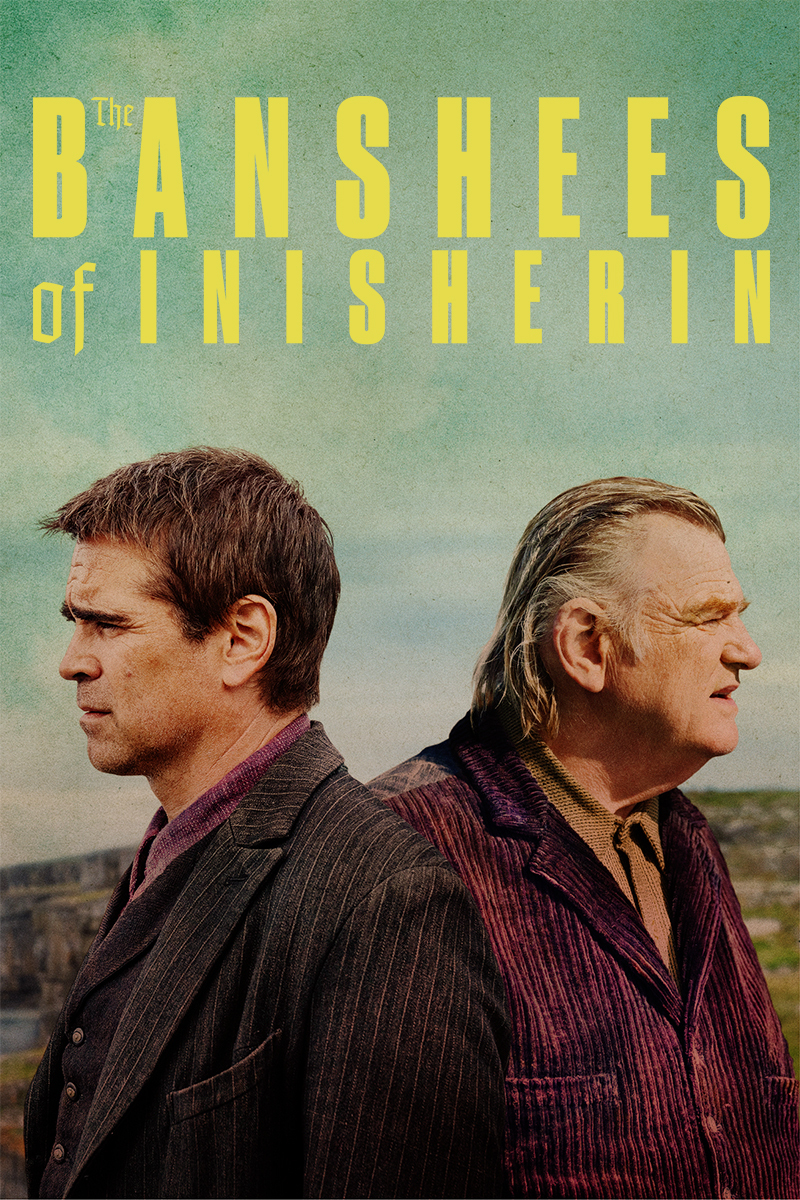
Banshees of Inisherin


For the first 15 to 30 minutes of this movie, I seriously thought it was a satire on modern Internet friendships. In the past couple of years, I have been the dumper and dumpee of several relationships, including being basically ghosted, all of which were equally depressing and traumatizing. So I can sympathize with both characters in their agony and annoyance. The end of friendships is an unavoidable reality throughout one's life, but past experience does not make this process any easier as one becomes older. 

Half way into it, however, things made a bizarre and bloody turn, and I had to admit that the strife between Colin Farrell and Brendan Gleeson is not an allegory of friends breaking up in the Internet age. I dug up information on the Irish Civil War of early 1920s and began to understand the author's intent.

With its absurdist style, Martin McDonagh's movie contains a vague feeling that this deadly conflict between fellow Irishmen was senseless and pointless. Aside from the general principle that killing and war are fundamentally senseless, I don't quite agree, even though I am in no position to tell an Irishman anything about his own history. I can see why the conflict between the Free State and Republican factions broke out when the independence war with Britain came to a compromise instead of an outright victory. I have no particular urge to take sides, but each side did have their own reason and logic for the stand they took and felt they had to defend. And let's not pretend that there were only two sides to the conflict. There was an outside force not so subtly nudging them on.

The Irish history is by no means an outlier. The more I learn about it, the more it confirms my revised view of what war is. Conflicts and struggles in society do not have a discrete start and end date. War is just one of many continuous phases of these conflicts among people and factions. 

What I appreciate about McDonagh's treatment of war is the willingness to be kind to both sides and acknowledge their past friendship and continued ambiguity with each other. Nevertheless, I find it not completely satisfying as an allegory. 

Winding my way back to the issue of severed relationships and rejections, I have long realized that it always goes back to one's relationship with one's mother, that cliché of "attachment."

Saturday, March 11, 2023

Someone in the Tree (Pacific Overtures)


One of the least produced Sondheim musicals, Pacific Overtures is a show that I very much wanted but did not expect to see in my lifetime. And yet! Signature Theatre nearby produced it this year! So of course I have to go see it at least twice. 

Compared with the original Broadway version, which can be seen on YouTube, this production is necessarily smaller, shorter, and more modest, but immensely enjoyable nevertheless. 

The history around the opening of Japan to western countries is complex and fascinating. I somehow fell into it because of my interest in Japanese jidaigeki action cinema and the Nemuri Kyoshiro novels in the past few years. The period around the fall of the Tokugawa shogunate is a critical juncture in the history of modern Japan and continues to inspire much pulp fiction and genre movies in Japan. I know why I am interested in this part of history, but for the life of mine I cannot imagine how Sondheim got into it. 

The amount of effort he put into making Pacific Overtures must have been enormous. Of course it is not an accurate documentary of Japanese history, but the artistic rendition of it is consistent with my understanding. The music is obviously influenced by Japanese traditional theater, namely Noh and Kabuki, of which I am very ignorant. The original set and direction were also designed to evoke that feel, which suggests that Harold Prince was equally interested in this approach. 

It is extraordinary that the entire musical is presented from the Japanese point of view. There is zero white character inserted into the story to lead the audience into the unfamiliar setting and allow them to identify with. If it were a book, Pacific Overtures would be closer to a nonfiction book than a novel, with some humor and gag thrown in for effect. Sondheim and Prince never bothered to make it easier or "friendlier" for American audience, so the audience has to make an effort to imagine themselves in this unfamiliar historical place, with few conventional tools to latch onto. 

Although the show does not have a conventional protagonist and antagonist and has a generally detached narrative tone (not least through the use of a narrator as common in Japanese theater), one song stands out to counterbalance this impersonal tone. Someone in the Tree has three ordinary characters talk about an important historical moment, the negotiation and signing of the Kanagawa Treaty between Japan and the US. It reminds me of the song "Room Where it Happens" in Hamilton, which no doubt was influenced by "Someone in the Tree." Note that although two of the characters claim to be there in the room where it happened, they were of no importance and had no involvement. They were merely observers and entirely passive, even though their lives and fates were irrevocably altered by the treaty. 

In some sense, Someone in the Tree is about hyperobjects, average people living in a world too large and complex to be known or understood. We live through and witness history, but we cannot control or make history, or even begin to understand its mechanisms. 

In any story set in a background of changing times, there is always a tension between the small scale and big picture. To focus on the tides of time and grand scheme of things always runs the risk of losing sight of individual lives and tears, but individual lives are truly and tangibly affected by the invisible hand of historical events. It is a constant dilemma for storytelling, because it is also the unknowable reality of our daily lives. 

Saturday, February 25, 2023

Ghost Dog: The Way of the Samurai (1999)


Jim Jarmusch is not known as an auteur in either the action or the comedy genre, but this movie shows that he can do both. Sometimes it is ambiguous as to whether he is making fun of or paying homage to genre classics (why not both?). Still, he approaches many tropes with his quirky twists, while wearing the influence on his sleeves:

Melville's Le Samurai, Kurosawa's Rashomon, the Godfather series (and very likely Scorsese's Italian gangster movies that I have not seen), John Singleton's South Central gangster movies in the 1990s, and, of course, Tom and Jerry and other old violent cartoons. I don't know whether he was also influenced by the pulpier old chanbara movies (e.g., Lone Wolf and Cub) and John Woo's HK gangster films, but the vibe is definitely there. 

The odd friendship between Raymond the ice cream guy and Ghost Dog, in which they express the same sentiment and information in different languages without understanding each other, speaks for Jarmusch's theses that language barriers cannot separate the same love and passion for violent, bloody cinema all around the world. 

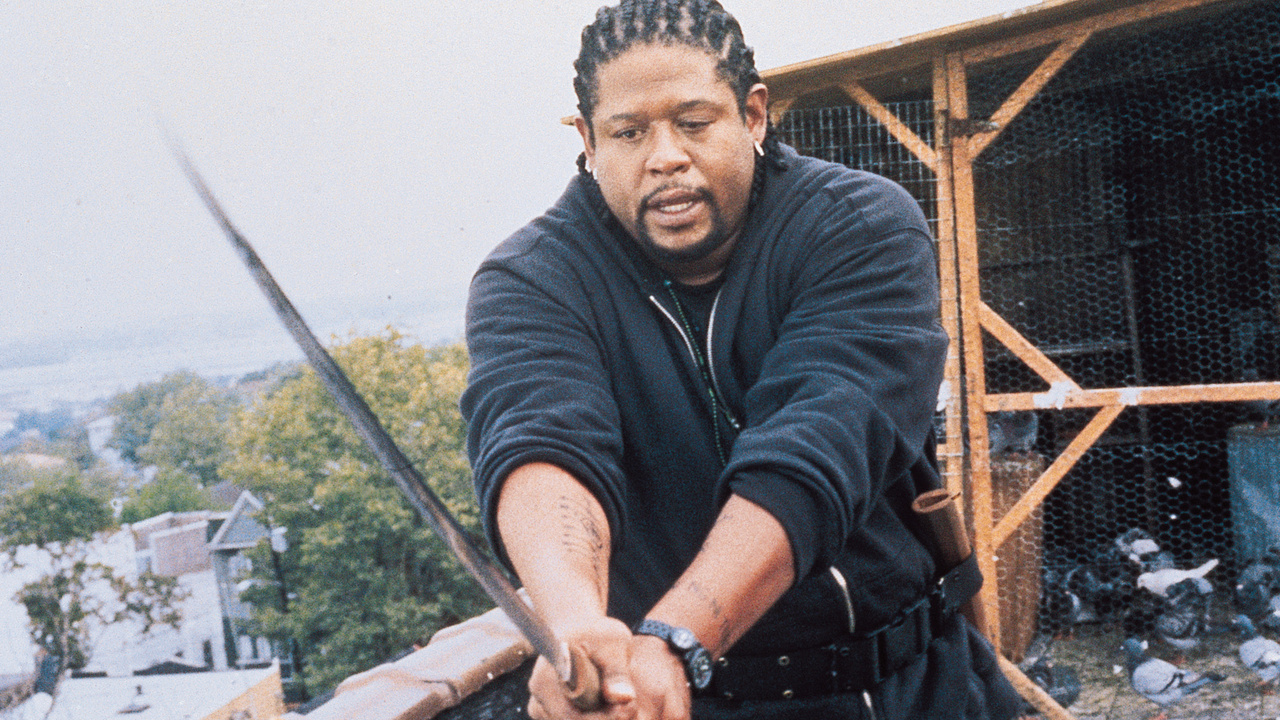
Before it became a thing, Jarmusch made his commentary on decrepit elderly gangsters. Every scene in which the old farts bicker with each other is comic gold. All the actors had fantastic timing and deadpan humor. Also, long before John Wick, Forest Whitaker had some hilarious, cartoon-inspired assassination ploys that are as inventive and delightful as ever. I wish more action movie directors would take a look at this movie and find some inspiration in the set pieces. 

By casting the inimitable Whitaker and putting him in the midst of a flurry of pigeons, Jarmusch is obviously making a reference to his earlier role in "Bird" (1988), in which he played Charlie Parker and won best actor at Cannes.

With 2023 hindsight, I have a couple of gripes about the movie. The first is the utter uselessness of the female character (the daughter of one of the mobsters, played by Tricia Vessey). Sure, one could argue that women had little to do in the gangster genre and all the classics he referenced. Unfortunately, there is a little too much resemblance to the singer in Le Samurai with zero understanding of her central function in that movie. Her makeup is strikingly similar to Uma Thurman in Tarantino's Pulp Fiction, which had come out only 5 years before, but her material is vastly inferior in comparison. 

The second complaint is the uncomfortable racial symbolism in this mock retainer-master relationship between Ghost Dog and Louie. The ending, which I understand is an intentional nod to Le Samurai and a weak and superficial understanding of Japanese samurai movies, nevertheless holds up poorly over time. 

The Ending of Le Samourai (1967), Explained

A quick online search after watching Jean-Pierre Melville's Le Samourai confirmed my suspicion: The plot is very rarely understood by E...