Books, movies, food, and random thoughts in English and Chinese. Sometimes I confuse myself.
Search This Blog
Showing posts with label travel. Show all posts
Wednesday, February 18, 2015
Cold Weather Redux
I am sure I have written about "Cold Weather" before. It's a Mumblecore-Sherlock Holmes hybrid of a gem. Ever since I saw it a few years ago, the movie has stayed with me, tickling the back of my mind, planting a little curiosity for the Oregon coast.
Apparently you can rent it on YouTube for 3 bucks. I highly recommend it and, upon seeing it again, the yearning to see the Oregon coast is stirring again. It has officially gone on my bucket list. Hope to go soon.
Thursday, November 3, 2011
Why I don't like LA
In preparation for an upcoming trip, I googled the area for B&N stores in various areas and, disappointed with the sparse locations, googled for other book stores. The density of book stores is so low in the vast and populated LA county that I want to weep.
No wonder I never learned to hang out in a book store until I moved east. One is hard pressed to find a book store while barreling down the streets (ha!) in the congested streets. Kids like me hang out in movie theaters, on the beach, in shopping malls, at Asian cafes, but not book stores.
To my horror, I just realized that, as book stores dropping dead across the country, we are all going the way of California.
Sunday, September 4, 2011
乡下
我对乡下一直有点偏见,自认城市老鼠,一定不会喜欢,一定会闷出油来。结果并不。事先没有任何计划,每日上午坐在 sunroom 里望望海湾,翻翻 Kindle ,在附近走一走,跟店主 Bob & Tracy、厨子 Peggy、其他住客聊聊天。下午跟某同学开车出去找个饭馆儿吃本地海鲜,下午在小城里逛逛,在港边看看船,天黑前回到小岛尖端看日落。晚上坐在楼下客厅的沙发,或者阁楼角落里的沙发床,上上网,读读 Kindle。九点多天黑透了,去外面看看星星。
除了 Kindle 和 laptop 之外,还带了一本 sketch notebook,但是忘记带铅笔,只有一只黑钢笔。白天坐在树下的躺椅上,水边的饭馆儿里,街边的长凳上,画画树,画画船,画画房子,画桌上一杯冰淇淋。已经很多很多年没有动笔了,十几年前自己玩过水彩画,还想去上课,但后来都搁下了。在乡下觉得处处有可以 sketch 的景致和镜头。我并不擅长画画,视觉记忆不佳,且缺乏练习,但是画画让人心情愉快,脑筋清醒。
住宿的旅店周围是个鸟类保护区,看见不少不认识的鸟,认识的鸟类有在海里捉鱼的 blue herron,海鸟,以及白头雕 bald eagle。旅店门前的大树上有家白头雕做巢安家,家里的小娃子一早必站在岛末端的十字架上得意洋洋地东张西望,让我们这些游客远远地留影。还有黑压压的蜻蜓群和几只蝴蝶,包括一只黄色的 Monarch。
在乡下呆了三天后回家,发现带回好多礼物 --- 浑身被蚊子咬了很多包,涂了三天的可的松药膏才消下去。
Thursday, September 1, 2011
奇遇神人
1.
A couple of weeks ago, in a fit of frustration, I got up in the middle of the night and searched for a place for a short getaway. My preference would be a cottage on a cliff in Scotland, but I had no more than a couple of days available. After clicking around a bit, I found the Web site to a Bed & Breakfast called Black Walnut Point Inn on Tilghman Island. The photos on the Web site were impressive, and the inn's location on Google Map was intriguing --- It is sitting at the tip of the island, where it juts into the Chesapeake Bay. So I booked a room for 3 days this week and went.
The gravel road leading to the inn confirmed the map's indication that this is a secluded spot. In the office, one of the two inn keepers, Bob, handed me the key to the room. He was a 40-ish chubby white guy with a ruddy face and a carefully trimmed beard around his mouth. His yellow T-shirt, smudged with dirt, was stretched tight by the beer belly, which enhanced the jolly impression he gave.
I made a mention about being a city person and not used to the country. He chuckled and said, "We were city people, too. Tracy and I lived in DC for 20 years."
"You got this place not long ago, no?" I remembered something from the TripAdvisor reviews about the B&B.
"A year ago," he nodded. "I taught music at American U and other places." He also told me that he grew up in Vermont, while Tracy was originally from West Virginia. Bob had taught music at various schools in the DC area and performed on stage in choirs and musical productions. Tracy had been a software contractor for Oracle.
"How did you find this place then?"
Bob's eyes twinkled. "Four years ago, we found the Point on a bike ride. God told Tracy to settle here and take over the inn."
"What do you mean by ...?" I thought he was speaking metaphorically.
"Tracy saw a vision of this place when he was 3 years old," he nodded. "He had been looking for the vision all his life. When we got here, God told him this is it."
"What do you mean by 'vision'?" I stared at him.
"Tracy hears God's voice all the time," Bob nodded and gave a slight chuckle. "He is a preacher's son and talks to God all his life."
My brain immediately cued the song "The Son of a Preacher Man." Thanks a lot, Quentin Tarantino!
"You should get Tracy to tell you the story some time," Bob winked. I studied his face. He seemed to be the type to clown around, and he was smiling at the moment. For a moment I wondered whether I was being punked.
"We had no money and no idea how to do it," Bob said. "But God is good. He led us here. And a year ago we finally took over the lease of the Bed and Breakfast. We've had storms, tornadoes, hurricanes, but He's taken care of us. And here we are."
"It must be nice to know for sure that this is your destiny," I tried not to sound like a damned skeptic.
"We don't know anything," said Bob. "We just do what God tells us. God is good."
2.
I met Tracy by the swimming pool when Bob took me around the property. He was cleaning the pool of the mud and dirt and debris brought by the hurricane. Tracy looked about the same age as Bob, but thinner, a bit less jolly (must be the lack of a beer belly), a little more reserved, and black.
"Bob said you saw a vision of this place when you were ... uh ... a kid," I brought it up when I ran into him in the living room that evening. The curiosity had been eating at me inside.
"Yeah, it is true," he said, "I saw this place in a vision when I was 3, and then I found it at the age of 41." He glanced at the window. "Bob's waiting in the car. We're going for pizza at this place in St. Michael's. Ask me later, or tomorrow, and I'll tell you the whole story."
On the third day morning, I finally caught up with Tracy outside the tool shed. The sun was already high. He took off his baseball cap and sprayed the strongest bug repellent on his shaved head, and then vigorously sprayed his arms and T-shirt. The black flies were still humming around. I had already been attacked by these flies despite repeated spraying --- They bite, and it hurts like hell.
We talked a little. I asked about the history of the inn. His account was clear and well organized, a lot more coherent than Bob's scattered chatter. The place is ripe with religious connections, he told me with a disarming smile and a casual shrug, as if he was talking about turnips.
The area had been privately owned since the inn was built in 1845. In 1978, when the Charismatic Movement in the Catholic church was sweeping the Baltimore area, a devout person happened to visit Tilghman Island and heard about a wooden cross having been washed ashore here. He considered it a miracle. He convinced his church to purchase the land and the inn, and they began having revival meetings here. They planted this cross at the tip of the island, facing the Chesapeake Bay. The group owned the inn for 4 years, until it could not afford to keep it up and subsequently sold the land to the state.
(It seems God did not want them to stay here for too long, I thought. Of course, I held my tongue.)
The state designated the bushy area behind the inn as a bird sanctuary. In 1989, a local couple named Tom and Brenda leased the inn from the state and opened it as a Bed and Breakfast. They ran the place for 20 years. Until Bob and Tracy came along.
3.
"Four years ago, my contract at Oracle ended earlier than expected" Tracy said. "The next morning I lay in bed and asked God, So? What now? What do you want me to do with my life next? I heard God say, 'Take Bob for a bike ride.'
"I laughed and asked Him, 'Are you sure? I don't have a job now, you know. Just want to remind ya, I've got bills due at the end of the month.' He said, go. So Bob and I put our bikes in the car, drove to St. Michael's, and biked all the way down here."
I remembered the bike lanes on both sides of Route 33, the only highway that cuts through St. Michaels and runs to the end of Tilghman Island.
"We got to the Black Walnut Point, met Tom and Brenda, the innkeppers at the time. We had known nothing about this place before and decided to stay at the inn for the weekend. Then we walked down the gravel path to the pier over there ..." He pointed at the wooden pier on the water. "At that moment, I heard God speaking to me in my head, 'This is the place you've been looking for. Stay.' "
He grinned, showing his white, straight teeth. It was a charming, boyish grin that made it all sound as real and natural as breakfast cereal and cold milk.
He walked back into the office and came out with a color photograph in hand. It had a orange hue, probably due to light exposure over time. In it, a smiling boy held a piece of paper with crayon drawings. "It was me at 6 years old. I drew a picture at school, it was the vision I saw at 3. My mother took this photo."
He then proceeded to explain how the drawing corresponded to the view of the Point from the pier --- the sun, a tree growing into the water, a house that looked just like the office, the brown grass growing nearby, and the cross. I shrugged inside. Well, it had all the common elements of children's drawings: The sun, a house, a tree, and a cross, which is not unexpected for a preacher's child. I would not be surprised that there are hundreds or thousands of places on earth that fit the drawing. But I did not want to interrupt his story. I nodded and made some inaudible noise to suggest an appreciation for his miracle.
"I was not too sure about it. I said to God, Are you serious about this? You know we got no money, don't you? How are we going to buy this inn? Nah, you gotta give me a little more hint."
He was suddenly a jovial preacher with an irresistible gaze. I couldn't help but laughed.
"I was talking to God quietly, you know, in my head," he pointed at his forehead. "I was not saying anything out loud. Bob was walking ahead of me, shooting the camcorder at the water. He suddenly turned around and said, 'God just told me that we should live here.' "
We both laughed.
"I was trying to stay calm, and I was trying not to show anything, because I knew that I had told Bob about my vision before. I was still waiting for God to give me one more sign. So I said to Bob that, yeah, this would be a nice place to live, to retire to, for example. But he shook his head and said seriously, No, God spoke to me too just now. He said we should settle down here."
"So ... you did?" I asked.
"Well, it took us 3 years, but we worked on it, and we finally did it a year ago." He did not explain what happened in those 3 years, but I imagine it must have involved a lot of working, researching, saving, and perhaps some borrowing.
For a moment I remembered the American churches' position on homosexuality. I asked him whether he had a particular denomination he belonged to. He said none. The God he and Bob believed in was the God that is everyone's God. "He doesn't care," he pointed upward.
"God knows what is meant for you. Doesn't matter if you have no money or no idea. Have no worry. Have no fear. All you need to do is just ask him. He will take care of you. I talk to him everyday. He tells me everything." His eyes shone bright. I looked away.
"Like?" I asked.
"Everything. What to do. What will happen. What to look forward to. Things about each of our guests ..."
I did not have the courage to ask him what He told Tracy about me. Chicken! I'm still regretting it.
4.
Perhaps it was his charisma. Perhaps it was the sun beating down on my head. Perhaps it was the water, the island, and the birds around me, so removed from my familiar surroundings. On that day I thoroughly believed Tracy, including his daily bantering with his own personal God.
An internal dialog with self is hardly an abnormal phenomenon. Only, Freud called the voice "superego," while Faulkner called it "the problems of the heart in conflict with itself." Tracy's God is his superego, a gentle, supportive, and kind presence, akin to an optimistic and encouraging personal coach, egging on the mortal and weary ego to find meaning in life and walk every mile.
Tuesday, August 30, 2011
Milky Way
Monday, August 29, 2011
Tilghman Island
跑到马里兰 Eastern Shore 内岸的 Tilghman Island 躲两天。夏天就快结束,加上这两天的台风,这里挺安静的,除了来钓鱼的就是岛上住户。
晚饭在岛上一家昂贵的高档饭馆里吃的,吧台边坐了四五个人,餐厅里就我俩。头抬是炸西红柿片儿,上面堆了沙拉玉米丁。主菜一个是桃子酱煎猪里脊肉+polenta+芸豆;另一个是鱼排+油果risotto+玉米丁。我喜欢后者,前者有点 heavy。我吃不下了,但是某同学不顾我的劝阻,任性地点了两个甜点:家制冰淇淋和黑巧克力慕斯。冰淇淋一般,巧克力倒是很劲道,吃得我眼冒金花。
餐厅外面就是浅湾,一条白船施施然驶过。
吃完了已经七点半,开了车回旅馆 (B&B),路上看见日落。红彤彤的太阳夹在水平线和云之间,马上就要掉下去。赶不上回到旅馆坐在 porch 上悠闲地看了,就在路边停了车站着看。好快呀,只三五分钟太阳就没影儿了。
天还没黑透就等着看星星,可惜一直有高云遮着,等到九点半左右终于放晴了些。小岛离都市其实挺近,只有一个半钟头的车程,所以眺望西北方仍能看见红乎乎的城市光污染。不过头顶上还是够暗的,看得见很多明暗不等的星星。上次看见这么多星星是超过十年前的事儿了。
这次到此度假各种麻烦都被我们撞上了,简直象被诅咒了似的。敲敲木头,希望接下来两天别再折腾什么事儿了。
Saturday, January 22, 2011
乱梦
最近两天不梦到全美赛了,而是焦虑主题的,大概是担心开车来回的安全问题。五个钟头啊!从来没开过这么远的路(不过四个钟头倒也开过)。阿弥陀佛,敲敲木头。
心情焦虑或者有心事的时候,常常梦见欲速则不达的状况,去哪里,做啥事,就要迟到了,却总是被拖延拖延拖延,总也赶不到。
今天早晨做的梦记得特别清楚。我带了S同学去上海,说好我先出去跟某友见面吃饭,他在家打盹,然后我回来接他出去逛街。我脑子里想念的是去找第一第二食品店里的各种点心糕饼,中西结合的风格,小时候吃过之后就再也没碰到过。然后路上不知怎么七拐八拐就走进不认识但是似曾相识的小弄堂里,遇见了刚从外面回来的外公外婆。然后想起他们从南京东路的老房子搬了出来之后住在离得不远但是又新又整洁的另一家房子,而且弄堂里也干净整洁,没有水沟里散发出各家住户刷马桶留下的臭气。我跟他们谈了几句,说起要跑回南京东路的老房子去接S同学,然后掏出手机,却发现老房子的电话没有记在上面。这时候我妈也出现了,掏出iPhone!(这是现实中绝不可能出现的事情。)翻啊翻的,也找不到电话号码。我手忙脚乱地意识到,时间已经不早了,说不定某同学已经等得不耐烦而自己跑了出来。那我还得去找他,那我的买点心计划怎么办!
然后就醒了。
醒来之后想想,又好笑又伤感。外公外婆都不在了。外滩的老房子早就变成了地铁站。上海还有弄堂吗?
做这个梦不是偶然的。前两周在一家很一般的川菜饭馆吃饭,S同学嫌不够辣,我第N次地感叹想带他去四川云南,要多辣有多辣,看他是否仍然吃得下去。总之带他去中国会很好玩呀很好玩。可是S同学不想去(“你跟人呱啦呱啦,我象个傻瓜一样在一边晾着”以及“吃了假冒伪劣有毒食品怎么办?”是常用借口),又因为工作原因不方便去,我只好做单人旅行的打算。
梦见外公外婆也不是偶然的,昨晚收到阿姐的来信/卡片。很正常的联想。
Friday, December 31, 2010
Old House in the Garden District
Last May I went to New Orleans for work with a couple of colleagues. One of them, Aaron, asked whether I would like to go with him to his friend's house for dinner on Monday evening. I said sure.
From the convention center, we took a taxi, which went through the Garden District and stopped at a corner of the main street (whose name I have forgotten). Aaron walked into a supermarket to grab a case of beer. I strolled around a bit, taking photos of renovated old houses and shop fronts painted in various pastel colors.
The sun was setting. The sky was stained with streaks of violet and magenta clouds.
When Aaron came out with a shopping bag in hand, we turned off the main street into a densely shaded residential neighborhood. The sidewalks were full of bricks being uprooted by roots of old trees. I had to watch where I put down my feet. In this humid southern air, I quickly began to sweat.
We took a couple of turns and arrived at an old house with pale blue sidings. It was long and narrow, like a matchbox perched on its long side. All the houses on this block were of the same shape and well preserved.
Aaron knocked on the door. A man in a white Tee and white shorts opened the door.
"My friend John," Aaron introduced us. "Jun, my colleague." We shook hands.
Although Aaron is tall and John is short, they seemed remarkably alike. Both are middle-aged white men with unevenly graying hair cut short and gray stubble. Both wore nerdy, black-rimmed glasses that hid a twinkle in their eyes.
I walked in the door and heard the creaking of wood floor under my feet. Typical of old houses, the ceiling was high, from which soft yellow light diffused in the room.
A plump, gray-haired woman in a white Tee and a faded floral skirt walked out from the back room and shook hands with me. John's wife Cindy. She smiled. We spent a few minutes on small talk.
I glanced around curiously. The house, John proudly proclaimed, is over a century old. They had spent several years to restore and renovate it while trying to preserve as much of the old structure and materials as possible. Cindy took me from one room to the next, and the next, deeper and deeper into the belly of the long, slender strip of a house, until we reach the kitchen in its tail.
I peeked out of the window and saw the neighbor's wall a few feet from my nose. "Yes, at that time the houses were all built very close to each other in order to better resist hurricanes." She explained that the huddled houses on the entire block essentially formed a collective mass, making each building far less likely to be uprooted by the forces of nature. I suppose it was akin to the difficulty of breaking a bundle of sticks compared with breaking them one by one.
In the kitchen I helped myself with some kidney bean salad, dirty rice, and chicken pasta, and, plate in hand, retraced my steps through the entire length of the house back to the front living room. The doors between rooms were all lined up. It suddenly dawned on me that, on hot days, one could open the front and back doors and left the breeze flow right through the house.
Cindy showed Aaron and me an antique map, copied from the city's records office, showing the streets and houses of the neighborhood in the late nineteenth century. Keeping its distance from the rowdy, bustling French Quarter, the Garden District has traditionally been a suburb where upper-middle class whites set up homes. Both John and Cindy are locals.
After dinner and more conversations at a beautiful antique dining table, I noticed a couple of walls covered with framed photographs and walked up for a closer look: Exotic places, foreign faces of children and women, lyrical composition, distinct moods.
"John is a professional photographer," said Aaron behind me.
"I can tell," I smiled.
From the faces in the photos, I could tell some were taken in South American and Southeast Asian countries. Other photos were of New Orleans. The tenderness in the eyes behind the camera was unmistakable. I wondered but did not ask Aaron whether he met John through photography, for once upon a time Aaron worked as a freelance photographer for archeologists.
We had dessert --- a piece of pecan pie with whip cream --- and chatted some more about traveling, New Orleans, and Katrina. Then all four of us stretched out on the couch and a pull-out bed to watch "Treme" on HBO. John kept pointing out for us famous local landmarks ("So-and-so club!" "So-and-so candy shop!" and, altogether, "Cafe Du Monde!") and personalities (mostly musicians) making cameos on the screen.
When John drove Aaron and me back to the hotel, the night was grinning and the air was drunk with a southern sweetness.
Saturday, October 23, 2010
Connie Willis
今天在Capclave有两个讲座是由Connie Willis出席的,中午的讲座跟另一个关于时间旅行的讲座冲突,我就选择了后者(再说已经派了党代表去打探),然后去听她下午的讲座。
文如其人这句话果然没错,Connie Willis本人跟她的文字非常非常一致:风趣、亲切、坦率、犀利的幽默,humanistic。屋子里不仅座无虚席而且经常爆发出会心地哄笑。记得毛姆曾经在某个短篇里写过,上流社会名媛的乡下女亲戚新进社交圈,奇怪地发现自己说句话常常引人哄堂大笑,而她只不过是说真话而已。真话可比假话更出人意表,也就更能引起大笑。
Willis 说她当年(1970年代)辞职回家生孩子,趁机决定闯一闯写小说为生的职业,埋头写了八年才开始卖得出去故事出版。其间为了贴补家用(她没提起,想必老公是breadwinner但也不是富翁),她替 true confessions 类型的杂志写故事赚点钱,同时在一边写自己想写的科幻小说。
过去我从没听过true confessions这种杂志,回家放狗一搜才知道是1920年代开始美国流行的女性杂志,里面的文章都宣称是“真实的忏悔”,实际上都是专业写手编的。面向读者群是20-35岁的女青年,内容都是女青年自述如何误入歧途之后接受教训走上正道或者如何坚韧勇敢地克服人生逆境而熬出头的故事,既符合社会主流的道德价值观又提供很多sensational 情节满足大家的好奇心和代入感。大约跟八十年代中国流行的“法制文学”或“纪实文学”差不多,一分voyeurism,一分警世教训,一分社会现状报道。既然读者群是女性,当然免不了走女性白日梦的套路,从罗曼史到soft porn都有。
Willis 说这段经历说起来不那么高雅,但实际上对她的写作能力有很大的历练。她说她很同意Malcolm Gladwell 在 Outliers 里面描写的成功者的必要条件之一:积累至少一万钟头的练习,才有可能彻底地掌握一项复杂的工作。虽然写 true confessions 故事很傻冒很机械,被固定在一个很狭窄的框框里,发挥余地很小,但让她渐渐掌握了各种讲故事的必要技术和套路,以后写自己想写的科幻小说时就驾轻就熟游刃有余了。
她的小说比较接近软式科幻(soft sci fi)类型,没有大段大段地解释科学技术(包括已知和未知的),而是探讨科技对人的生活的影响,以写人为主。她自己很喜欢romantic comedy类型的电影,特别是三四十年代的经典screwball comedy,例如His Girl Friday, Bringing up Baby, It Happened One Night。她的小说里也经常地采用rom com的传统结构和戏剧机制。
她关心的、描写的都是普通人,而不是单枪匹马力挽乾坤的heroes。普通人的善良和正直和勇气才是历史的真面目---这是她的许多 time-travel 历史小说的主题,也是她的所有作品的subtext。历史是人民写的,常常喊这个口号的人其实并不相信这个,而是需要拍人民的马屁为自己所用。而Connie Willis并不喊口号,只是写好看的故事证明这个真理。所以在她的时间旅行小说里,后人并不能改变历史进程,时间旅行机被牛津大学历史系拿来做研究和实习而已,但是时间不能抹煞普通人的微小贡献,一切都没有丢失在历史的迷雾里。这样的humility and humanity,我觉得,在女作家的小说里更常见,例如Ursula LeGuin 的小说,包括The Lathe of Heaven,里面的主角,有能力左右历史进程的人,是一个极其普通卑微的工人,而且自己根本不想控制世界和历史。而沉浸在Missiah/Neo The One/天降大任于斯人这类神话里的大多是男作者(JK Rowling也是,但她的创意大量取自传统神话/fantasy经典)。
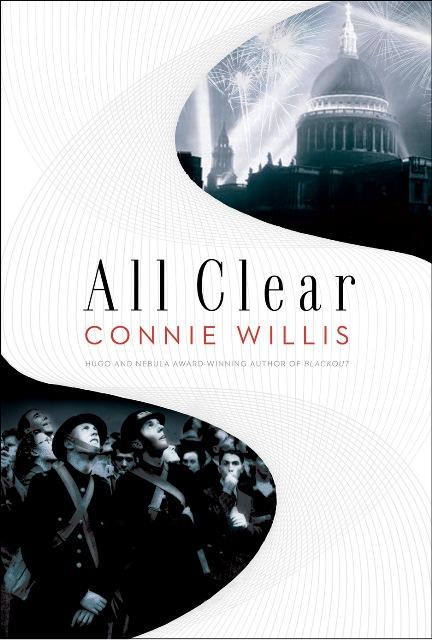
Willis 最近出版的两本书---实际上是一部小说,因为太长了,被出版商硬拆成两本印出来多赚一笔---Blackout 和 All Clear,跟Fire Watch一样讲的是二战期间的普通伦敦市民的故事。S同学和我打算去买 Kindle 版。
出得门来,在开车回家的路上,我一拍大腿,后悔忘记了问她一个之前就想问的问题,她为啥对伦敦/英国那么感兴趣呢?
Thursday, September 9, 2010
Snooze
Because of reverse jet lag, I have been dozing off since returning from the trip, especially in the evening. Yet I need to write something, if only to prevent my fingers from rusting. This is one of the most important reasons I write this blog. I need to get keep writing, no matter how little I have to say, just to lubricate the keyboard, eh? It's important for me to keep writing now that I'm no longer constructing coherence, whole articles at work, now that I'm drowning in memos and e-mails and other crap utterly devoid of imagination. The keys yielding softly under my fingertip is a heavenly sensation.
**********
Every time I return from Europe, it would take a week or two to claw my way out of the nadir that inevitably follows. It does not help that this time I came home to discover even worse bus service in my commute thanks to the city government's budget cuts. This, after the frequent and impeccable public transport in Copenhagen and London, is even more disheartening than usual. I don't know how long I can take this shit.
**********
The collection at Victoria and Albert Museum is kind of crazy, a mishmash of everything. Theoretically it is supposed to be all about art and design, but throwing together jewelry and Italian Renaissance sculpture replicas, Samurai swords and modern fashion, it's enough to give me a whiplash.
But I was pleasantly surprised by their Chinese export porcelain collection. Not that it makes much sense in the grand scheme of things, but that I actually knew something about it. Just last month I read SJ Rozan's first mystery novel China Trade, which centers around this very subject. Export porcelains were made in Chinese workshops in the 16th and 17th centuries to the orders of European merchants.
According to Rozan, who apparently did a lot of research, export porcelain was the step child in the world of antique porcelain collection in comparison with 官窑 productions, which were intended for 进贡。 Sometimes the western merchants would present western designs to the Chinese workshops, thus creating an interesting mix of styles. Some of the pieces have paintings of bare-breasted European women with Oriental facial features. I chuckled at the mirth of those Chinese artists upon seeing those indecent gweilos' blueprints for their orders.
**********
I think I'm falling in love with Vitaly Solomin's Dr. Watson. I didn't think it was possible, but the Russian Watson is even more of a doey-eyed cute puppy than Martin Freeman! The writer/director Igor Maslennikov and the actor Vasily Livanov conspired to create a warm, caring, expressive, and funny Sherlock Holmes in this adaptation, while preserving the eccentricity of the character from the Canon. But I am most touched by the lovely Watson --- innocent, sentimental, sweet, and so very handsome. Livanov and Solomin are adorable together.
**********
Every time I return from Europe, it would take a week or two to claw my way out of the nadir that inevitably follows. It does not help that this time I came home to discover even worse bus service in my commute thanks to the city government's budget cuts. This, after the frequent and impeccable public transport in Copenhagen and London, is even more disheartening than usual. I don't know how long I can take this shit.
**********
The collection at Victoria and Albert Museum is kind of crazy, a mishmash of everything. Theoretically it is supposed to be all about art and design, but throwing together jewelry and Italian Renaissance sculpture replicas, Samurai swords and modern fashion, it's enough to give me a whiplash.
But I was pleasantly surprised by their Chinese export porcelain collection. Not that it makes much sense in the grand scheme of things, but that I actually knew something about it. Just last month I read SJ Rozan's first mystery novel China Trade, which centers around this very subject. Export porcelains were made in Chinese workshops in the 16th and 17th centuries to the orders of European merchants.
According to Rozan, who apparently did a lot of research, export porcelain was the step child in the world of antique porcelain collection in comparison with 官窑 productions, which were intended for 进贡。 Sometimes the western merchants would present western designs to the Chinese workshops, thus creating an interesting mix of styles. Some of the pieces have paintings of bare-breasted European women with Oriental facial features. I chuckled at the mirth of those Chinese artists upon seeing those indecent gweilos' blueprints for their orders.
**********
I think I'm falling in love with Vitaly Solomin's Dr. Watson. I didn't think it was possible, but the Russian Watson is even more of a doey-eyed cute puppy than Martin Freeman! The writer/director Igor Maslennikov and the actor Vasily Livanov conspired to create a warm, caring, expressive, and funny Sherlock Holmes in this adaptation, while preserving the eccentricity of the character from the Canon. But I am most touched by the lovely Watson --- innocent, sentimental, sweet, and so very handsome. Livanov and Solomin are adorable together.
Tuesday, September 7, 2010
伦敦奇遇记
今次去了马尔默,哥本哈根,伦敦三个地方。回家的路上问S同学喜欢不喜欢伦敦,他竟然说更喜欢哥本哈根,瑞典也很好,伦敦最末,让我大跌眼镜,气呼呼地说下次老子自己去伦敦住上一星期,天天看戏,你就在家孵着吧。不过想想也不是意料之外,这位纳德同学神经比较脆弱,太喧闹拥挤的地方呆一会儿即晕头转向,躲在人迹罕至的地方闷着最舒服。在马尔默的时候被Barb带着去Ystad的鱼店吃饭,和蔼可亲的大叔留下了很好的印象。下次带他去新西兰,周围更加是人人都友好亲切得不似真人,恐怕就不想回家了。
今次去伦敦本来只打算造访一下221B贝克街“遗迹”,结果没想到碰上各种巧合。先是第二天下午逛完西敏寺之后时间地点都差不多,就心血来潮地加入了London Walks提供的“福尔摩斯足迹”的步行旅。在步行旅中被导游带着路过各个小说原著里提到的地方:例如路过Charing Cross地铁站外面时告知The Bruce-Partington Plan里面的尸体是在此站的铁轨上发现的,路过Lyceum戏院时引用了四签名里的一段:Mary Morstan收到一封信,请她某夜在戏院外左边第三根柱子旁见面,还有一家Sherlock Holmes酒馆(不是221B贝克街),邻居就是某侦探常去的土耳其浴室,现在砖墙上仍可见伊斯兰花纹。然后在Lyceum与皇家歌剧院之间的路上,赫然看见一家小戏院贴了招牌"The Secrets of Sherlock Holmes",正在上演这出话剧。
当天暴走完之后,把某同学打发回家,自己忍不住跑去临时买票看了。剧本是1988年作家Jeremy Paul 的作品,也不知为什么放在今夏revive,从七月到九月初,似乎跟电视剧也没啥关系。演员只有两个:Peter Egan和Robert Daws,前者有点眼熟,估计在BBC电视剧里见过;后者举止和念白有点象Nathan Lane。其实这个剧也就是so-so,情节卖点就一个:福尔摩斯觉得很闷,吸毒还不够刺激,就自己发明了黑社会幕后大boss Moriarty 教授。这个理论其实过去我也听说有人提出过,不过当然我才不信,就好象现在打出的“他是不是psychopath”的幌子话题一样,不值一驳。剧本太过依赖抄用原著中的大量对白了,新鲜内容不多---但是,我羞愧地承认,自己竟然看得津津有味,也还是因为他抄用了大量的原文。
当日下午还有个偶遇,坐巴士去St. Paul 教堂的路上忽然看见窗外的路标之一指着 St. Bartholomew Hospital 。好奇顺着路标走啊走,居然给我摸到了 St. Bart 的大楼。从街对面拍了一张有医院招牌的照片,角度跟电视剧里的外景镜头一模一样,因为能拍到墙上招牌的角度只有这一个。当然内部场景,实验室什么的,都不是真的在St. Bart里拍的。反正总之Dr. Doyle当时随手采集地名街坊,到处都是现实中的细节,也是让当时读者们看得发狂的原因之一。原著系列是冷峻的现实主义和哥特式神秘气氛的最妙结合,后人模仿随众但在这方面无人能及。
然后在伦敦第三天,去221B贝克街的伪“故居”参观。贝克街的名声远扬,地铁站出口的墙上也贴了很多瓷砖上印了那张让人一眼认出的侧影。隔壁一家是 Hudson's Restaurant,这倒也没什么,当然是故意的,但有趣的是隔壁门口挂了个黄铜牌子,说明楼上是Moffat Associates事务所,我疑神疑鬼地猜想跟Stephen Moffat有啥关联,难道Dr. Who的制作者真的跑到这里来开个小办公室不成?但是招牌灰不溜秋的,也不象是最近才挂上去的羊头/噱头。多半是巧合,但也真是个搞笑和奇异的巧合。
最后,当天下午去国家剧院看看有无可看之戏,在南岸转悠了半天才摸到。某同学本来还跟着跟着,忽然抱怨感冒恶化,又饿又累,闹着要回家,不肯等到晚上看戏,我只好带着他往外走,路过BFI 门口的旧书摊又徘徊半晌。磨蹭中发现不少人站在那里看小孩子玩滑板,就发现了电视剧第二集里的墙壁涂鸦艺术中心的取景处:我几乎可以肯定那片满坑满谷的涂鸦墙画所指此处。
Monday, September 6, 2010
回家鸟
累死了。从伦敦到纽约的飞机上背后坐了一个两三岁小男孩。呃,请自己想象吧... 他妈妈也不怎么管。我只好戴耳机看电影打发时光。看了一出澳洲的 film noir (The Square) 和半部法国文艺片 (Madamoiselle Chambon)。
晚上打算把拉下的 Mad Men 看一眼。
Tuesday, August 31, 2010
Copenhagen cuisine
Had dinner at Nyhavn last night and lunch at National Museum cafeteria today. The food is very good, much better than I remembered from 12 years ago. However, 12 years ago I hadn't the money to eat at such fancy places. Have a very modern, fusion feel. Organic ingredients are touted by chefs and menus. Simplisity seems to be the dominant approach. Good seafood. Still, I have to complain about the price. Ah, only in one place in the world can one find gastronomic ecstacy in any dingy little corner deli for a pittance.
Had excellent fried fish and fish soup in Ystad last Saturday. (Thanks to Barb's recommendations.) Good coffee everywhere.
Another significant change is the large number of Chinese and sushi restaurants in tourist areas. I won't have the chance to try and see if Chinese food here is now finally edible. I am fairly agnostic about the meal plan for the next 2 days, but my fellow traveler insists on doing local cuisine, which is fine, all fine.
At the moment I am sitting in the breathtaking Royal Library by the cannal between the city and Christianhavn. Known as the Black Diamond, the stylish, futuristic new half of the building was finished in 1999 and is joined with the older building. It is full of glass and open space, letting in warm glow of the afternoon. The riverview is so romantic.
Sunday, August 22, 2010
随手记录一下
这两天忽然染上了 head cold,在家窝着睡觉,希望周五出发之前能够烟消云散。有一搭没一搭地收拾旅行证件,地图,衣物,之类东西,尽量轻装,祈祷天气不要太坏。
呼啦啦地又看完一本SJ Rozan 的小说。实际上现在我应该读的书是旅行指南,但不知为啥总提不起精神来。哥本哈根三天,看看Tivoli,王宫,Nyhavn,走走stroget,或许坐一趟cruise tour,再挑半天坐火车去一下Frederiksborg,就差不多了。
也许是年纪大了,也许是见得多了,热情与好奇心远远不如过去。加上此行没有大吃大喝的节目,热情顿时减了一半。目前眼下的心情是打算悠闲地逛一逛,在疲于奔命的生活中小憩片刻。
呼啦啦地又看完一本SJ Rozan 的小说。实际上现在我应该读的书是旅行指南,但不知为啥总提不起精神来。哥本哈根三天,看看Tivoli,王宫,Nyhavn,走走stroget,或许坐一趟cruise tour,再挑半天坐火车去一下Frederiksborg,就差不多了。
也许是年纪大了,也许是见得多了,热情与好奇心远远不如过去。加上此行没有大吃大喝的节目,热情顿时减了一半。目前眼下的心情是打算悠闲地逛一逛,在疲于奔命的生活中小憩片刻。
Saturday, May 29, 2010
Balticon 44
过去只是听说而从来没参加过科幻迷大会,这是头一遭。两个让我意外的现象:一是本地科幻迷还真多,热情真挺高的;二是参加者中女性相当不少,决不只是男geek们聚集的场合,没有一半也有40%。
Sci Fi conventions 涵盖各种媒体,从文字和漫画到影视以及新媒体 (podcast, online serials) 。有卖新旧书的,有卖唱片的,还有卖 Sci Fi/Fantasy 类型艺术的 --- 手画、印刷品、工艺品、首饰、costumes、道具(例如星战中的 light saber),不一而足。我一边逛一边想,还真能把业余爱好换钱,当然,在 geek 身上肯定发不了财。
有很多讲座和小组讨论,从写小说编故事到讨论喜爱的作家和类型作品,以及硬科普。还有本地科幻作家跟读者见面。还有两三个录像室,连续播放 anime 和科幻电影电视剧,即使什么都不干也可以在里面泡上三天三夜(是的,中间没有停顿)。
然后就是参与型活动,很多穿了costume的人可以参加 role-playing, 集体舞,各种游戏,如此等等。
很多肚腩男和肚腩女,不过也有很多平头正脸的。:D
Tuesday, May 25, 2010
New Orleans
今晚跟两个同事去坐了一趟 river cruise。饭颇难吃,景色很平庸,船旧且tacky,但最后很愉快地结束了。为啥呢?因为里面有两套爵士乐组合,每组三人,在第一层与第三层分别演奏了几段,都相当好听。楼上一组比较老,楼下的室内一组相对年轻。偶尔有唱的,都是弹 banjo 的乐手兼做 vocal。楼上的大叔嗓音比较粗犷;楼下的小伙子嗓音...怎么形容呢?我能想出的形容词是:椒盐。
等回家之后再贴照片。
等回家之后再贴照片。
Friday, March 19, 2010
Tuesday, March 16, 2010
Savannah 2
River Street was quite short. Walking from one end to the other took about 15 minutes. It was still chilly on the day I arrived; on the day I left the weather warmed up considerably. The sun was so bright it made me blink. "Sittin' on the dock of the bay ..." The song came to my mind.
On the last evening, I walked along the river, tourists rushing by me, warm sugary breeze drifting from two candy stores on River Street. In one of the stores, a toy train was clunking its way above our heads on a winding track hanging from the ceiling. Barrels of candy glistened in the light. The cynic in me suspected the authenticity of all this antiquity, but I couldn't really believe my doubts. The houses were real. The wood floor and creaky stairs were real. The dark, exposed stone walls were real. You can't fake this. On the first floor was Vic's coffeehouse, a bare and shabby place in which elaborate and gigantic wedding candles were displayed on wooden shelves that had long lost their colors. All handmade. You can order your own. Yet up the creaky stairs and across the wooden floor, I walked into a chic and modern restaurant with a sparkling bar --- Vic's restaurant.
I sat down at the bar near the window. To my right was a striking young woman with a milky neck and creamy shoulders, jet-black hair cut boyish short and gelled spiky. She was Lisbeth Salander cool. For half an hour she sat and played on her iPhone, then got up and left. Another art student, I thought. Maybe.
The restaurant was crowded. I could get only a stool at the bar. I ordered sea scallops with crab risotto. Instead of bread I was given two warm buttermilk biscuits, whipped fresh butter, and homemade orange marmalade -- not too sweet and filled with chunks of orange. That, my friend, was comfort food. I almost wept with joy and longing. Outside, night was descending on the river. From the window one could looked down onto the black current and pearls of light from docked boats.
Sittin' on the Dock of the Bay
Wednesday, March 10, 2010
Savannah 1
这次出差住在 River Street Inn。 River Street 就是河岸边那条街,这个客栈么,也就名副其实地坐落在那条街上。开会所在的 Convention Center,建在了河对岸。很奇怪,河这边是历史悠久的繁荣市区,而那边出了这个贸易中心和一个Westin饭店之外啥都没有,很荒凉。
南北战争之前,Savannah是老南方的一个重要城市,乱世佳人里肯定有提到过的,不过我没读过那本小说,所以也想不出什么相关的情节。南方大庄园出产的棉花,通过铁路集中运到此地,装上货船,顺着 Savannah River 立刻入海,运输到北方港口或者欧洲。当时南方绝对比北方有钱得多得多 --- 北方眼红南方的富裕也是战争的因素之一 --- 原因很简单,种棉花几乎是无本万利的生意,劳动力都是从非洲以集装船贩卖过来的黑奴,只要投点资买下来,喂他们吃点饭,又不用发工资,又没有浮动的劳工市场抬高劳动力价格;还有,只要有土地,白花花的银子啊源源不断地流进来。
因为这里是重要的棉花集散地,所以商业甚发达。River Street 上一溜儿全是老房子,石头或砖的,沿着斜坡陡峭的河岸建起来,当时是用来储存棉花的仓库,现在被改造成旅馆、商店、饭馆儿。第一天中午到达后,下午沿着 River Street 一头走到另一头。老房子大部分外表甚为破旧,墙壁斑驳,斜坡是颠簸的石子路,还有生锈的铁楼梯。我一时把厌烦陈腔滥调的习惯抛在脑后,自己也发了一通“迟暮美人”,Blanche Dubois 之类的感慨。
第二天坐了环游全城的旅游车 (trolley),在整个老城区域转了一圈,发现陈腔滥调果然是靠不住的!因为现实才不理睬俗套呢。
其实Savannah 一点也不比其他有历史的城市更加破败。城里著名的22个绿树成荫的squares(原本有30个)虽然还没长出太多叶子,但是树枝上挂的长长的 moss 倒很旺盛。美丽而各有性格的老房子几乎全都很有尊严地在那儿立着,并没有东倒西歪岌岌可危的样子,一点也不破败,但也并不过分光鲜,而是恰到好处的新旧平衡。
这个城市的规划完全横平竖直,隔几条街就是一个绿树浓荫的小广场,交叉街道全部成直角,房屋围绕着广场建筑。这规划可比华盛顿的圈圈和波士顿的羊肠小路要好多了!Savannah 的老房子最有名气的特点大概要算 wrought iron 栏杆,据说是含铁量最高的城市。各家的铁栏杆都有不同的花纹和形状,极致细腻优美,但因为是黑色的熟铁,又不显得太奢侈。
听旅游车司机兼导游的讲解,二十多年前开张的 Savannah College of Arts and Design 生意特别红火,各地文艺青年都跑来进修,学校成了 Savannah 的一大产业。有资源加上有能力和品位,学校逐渐买下了城里很多的老房子并且加以保护装修,改造成宿舍或者教室。哇,太奢侈了,在充满了历史和艺术的老房子里当学生。所以本地的文化遗产得到了很好的保护。
Subscribe to:
Posts (Atom)
The Ending of Le Samourai (1967), Explained
A quick online search after watching Jean-Pierre Melville's Le Samourai confirmed my suspicion: The plot is very rarely understood by E...